

The history of the Transport Research Centre dates back to 1954, when the Scientific Research Institute of Transport was established and laid the foundations for systematic transport research in what was then Czechoslovakia. This tradition was continued in 1993 by the newly established CDV, based in Brno, which gradually became the only research organisation under the jurisdiction of the Ministry of Transport. Over the decades, the topics covered have expanded from road infrastructure and road safety to modern areas such as intelligent transport systems, autonomous mobility, and the environment. Today, the CDV is a modern research center that connects science, practice, and strategic transport management at the national and European levels.
-2400w.webp)
What we consider and accept as a matter of course today is the result of the creative efforts, professional dedication, personal sacrifice, and hard work of several generations of our predecessors.
Ing. Josef Mikulík, CSc., emeritus director of CDV
1954–1974
On August 1, 1954, the Scientific Research Institute of Transport in Prague (1954–1971) was established, focusing on solving complex transport problems, rail and non-rail transport, and transport infrastructure. Its establishment marked the beginning of centrally managed and conceptually oriented transport research in Czechoslovakia.
The Brno workplace continued the activities of the KNV Road Research Station in Brno, founded in 1949, in the field of materials testing and gradually developed testing methods and equipment for the construction of roads, railways, and airport surfaces.
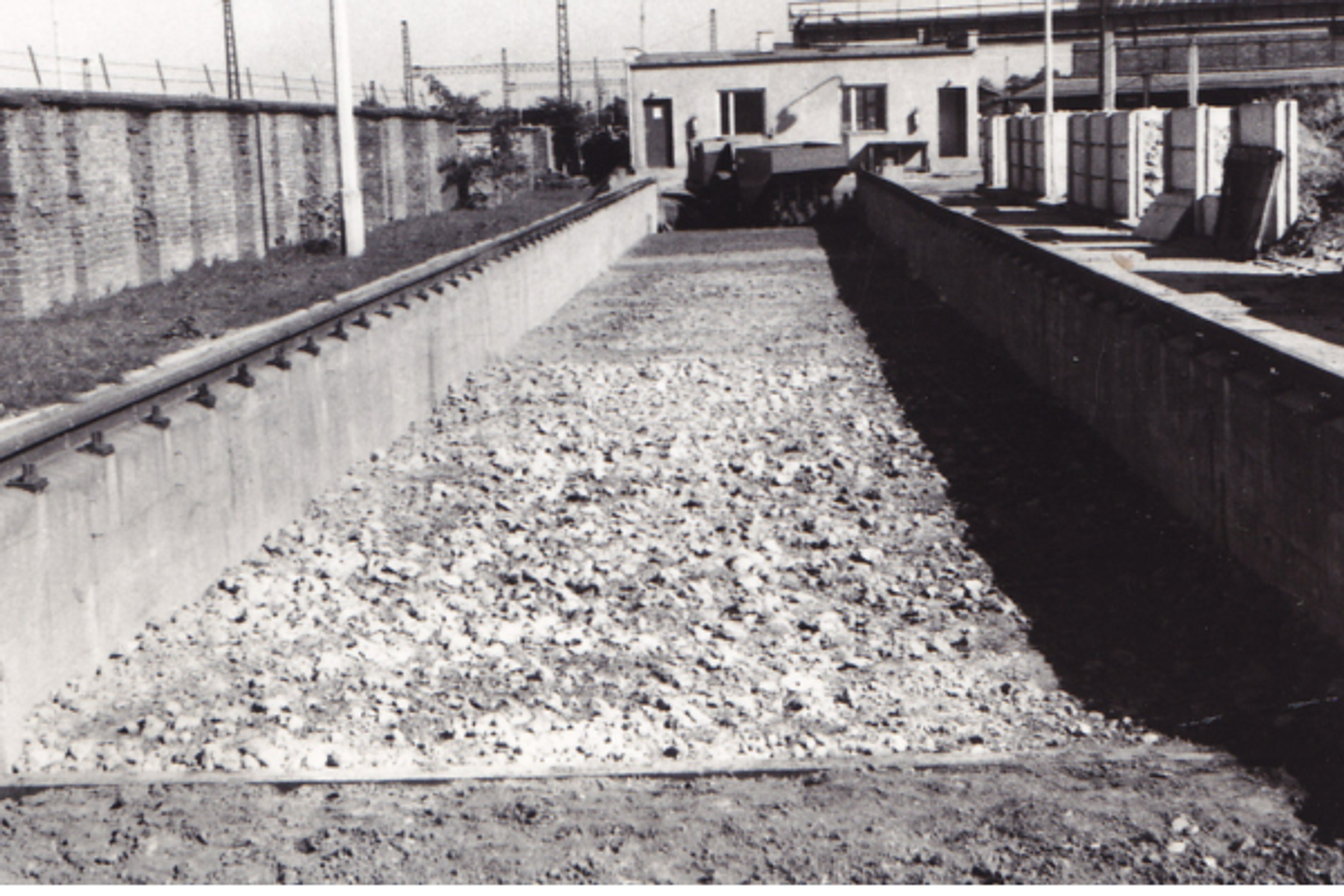
Test section of non-rigid road surfaces in Tišnov
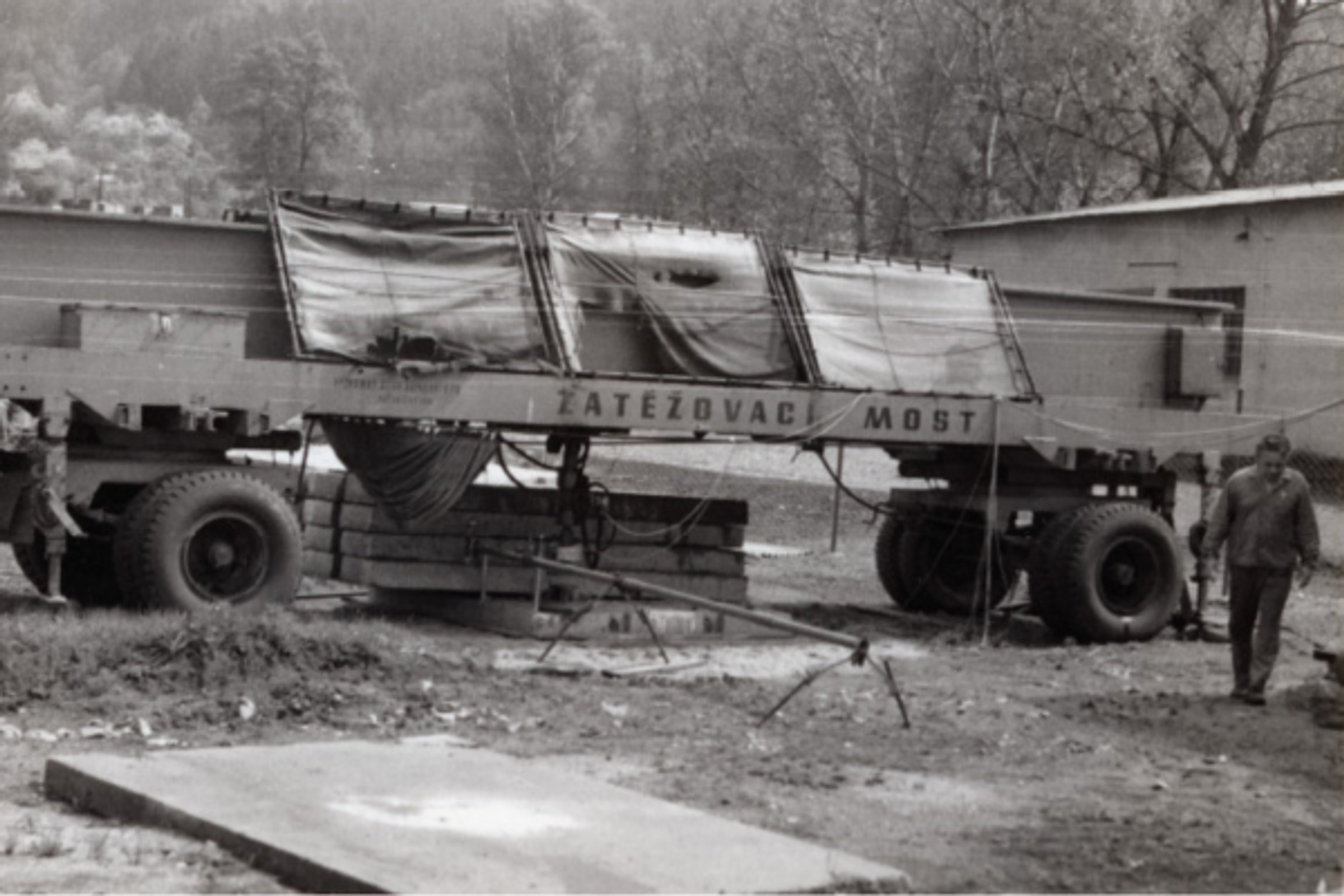
Load bridge for measuring the load-bearing capacity of subsoil and non-rigid road surfaces
1972–1979
On January 1, 1972, the Transport Research Institute in Žilina was founded as the leading scientific and technical development center for complex transport issues in Czechoslovakia.
The branch office in Brno significantly expanded its activities in the areas of road transport, air transport, measurement technology, and the development of measuring equipment for the diagnosis of materials and road surfaces, the assessment of the economics of road construction, the evaluation of the impact of transport on the environment, traffic forecasts and intensity, the determination of road performance, and the evaluation of energy consumption in road construction.
Construction of laboratories in Tišnov began.
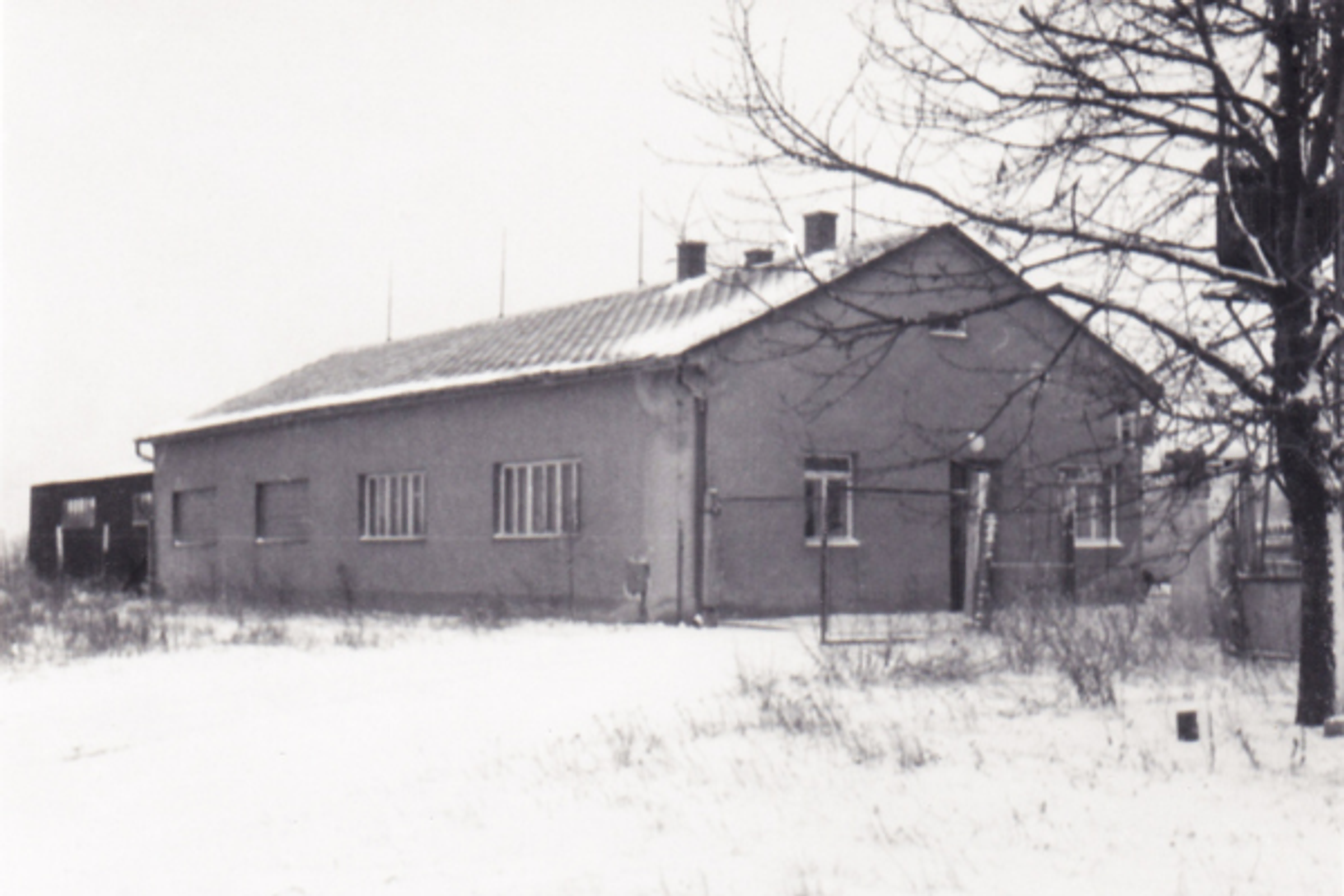
Laboratories at the Tišnov branch of VÚD (1977)
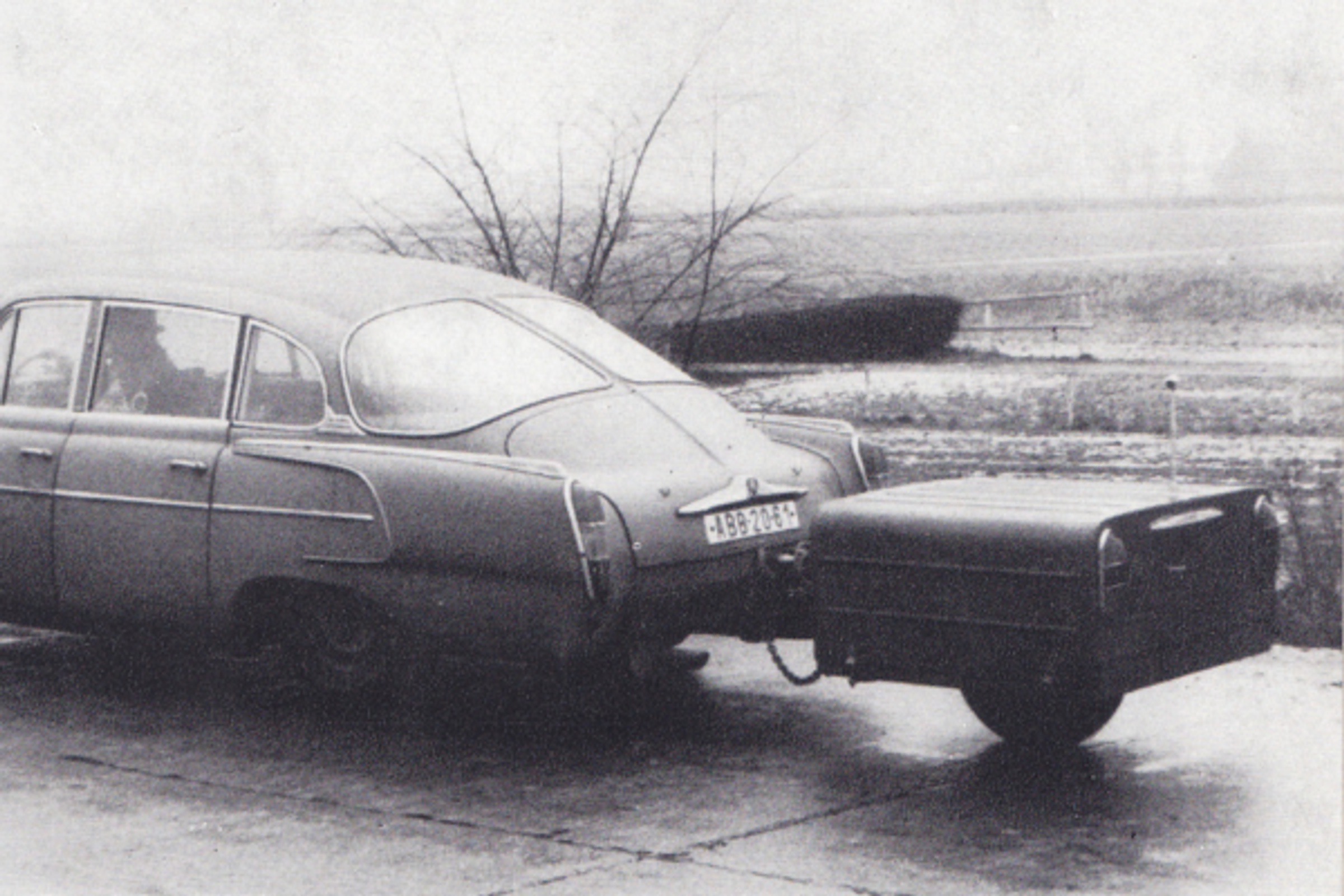
VÚD-2 device for measuring road roughness
1980–1989
In 1986, six Brno workplaces were relocated to the new premises at Botanická 68.
Transport engineering activities and road safety research developed dynamically. At the same time, the first methodology for dealing with accident black spots was completed.
During this period, new equipment was gradually developed: a functional model of a floating vehicle for measuring the construction and operational characteristics of roads, the TATRA RUNWAY TESTER for measuring road surfaces, and portable strain gauge scales for measuring the load on roads by trucks.
Technical conditions were created for the implementation and inspection of earthworks, base layers, cement concrete, and asphalt concrete roadways.
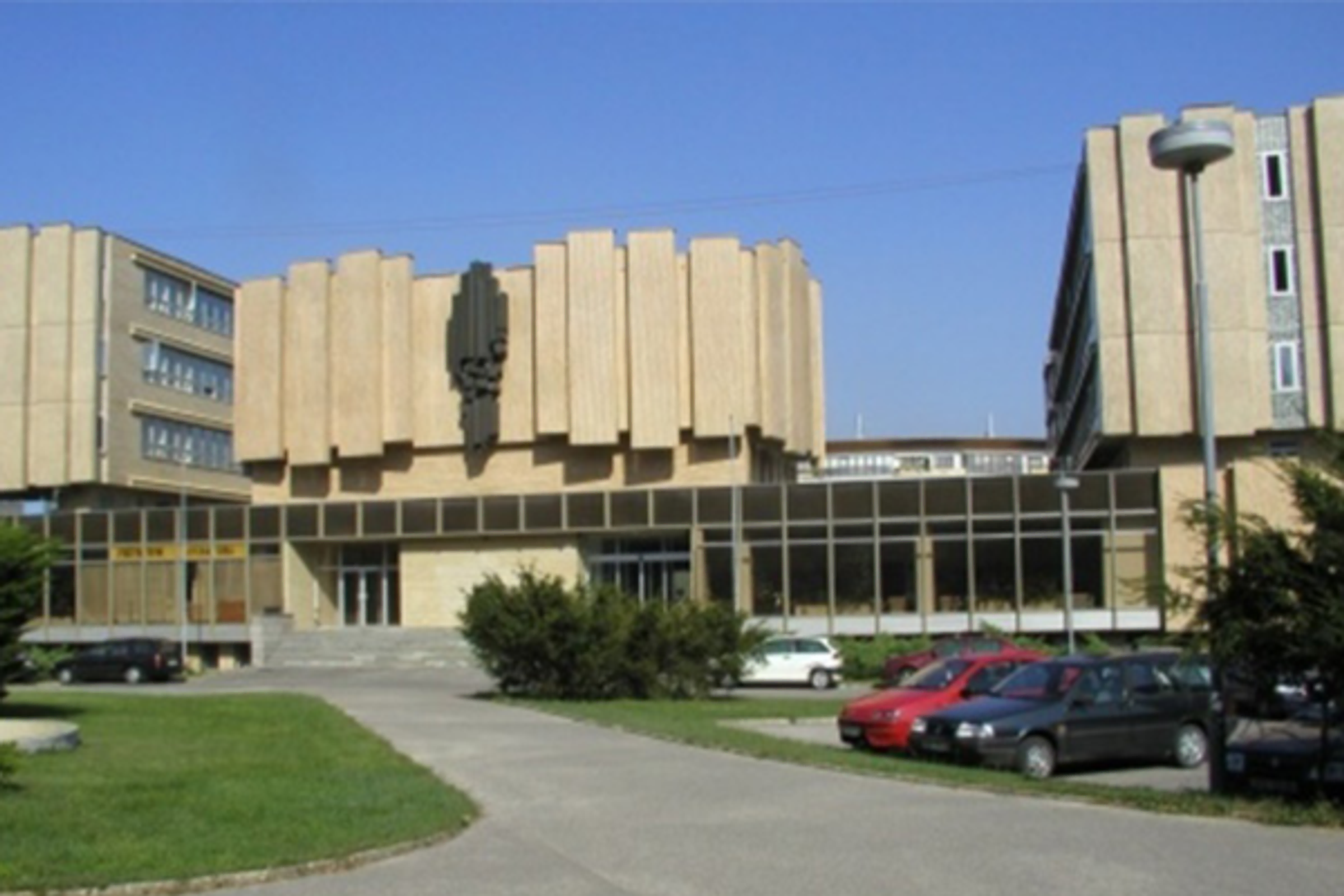
Botanická 68 complex, now the Faculty of Informatics at Masaryk University
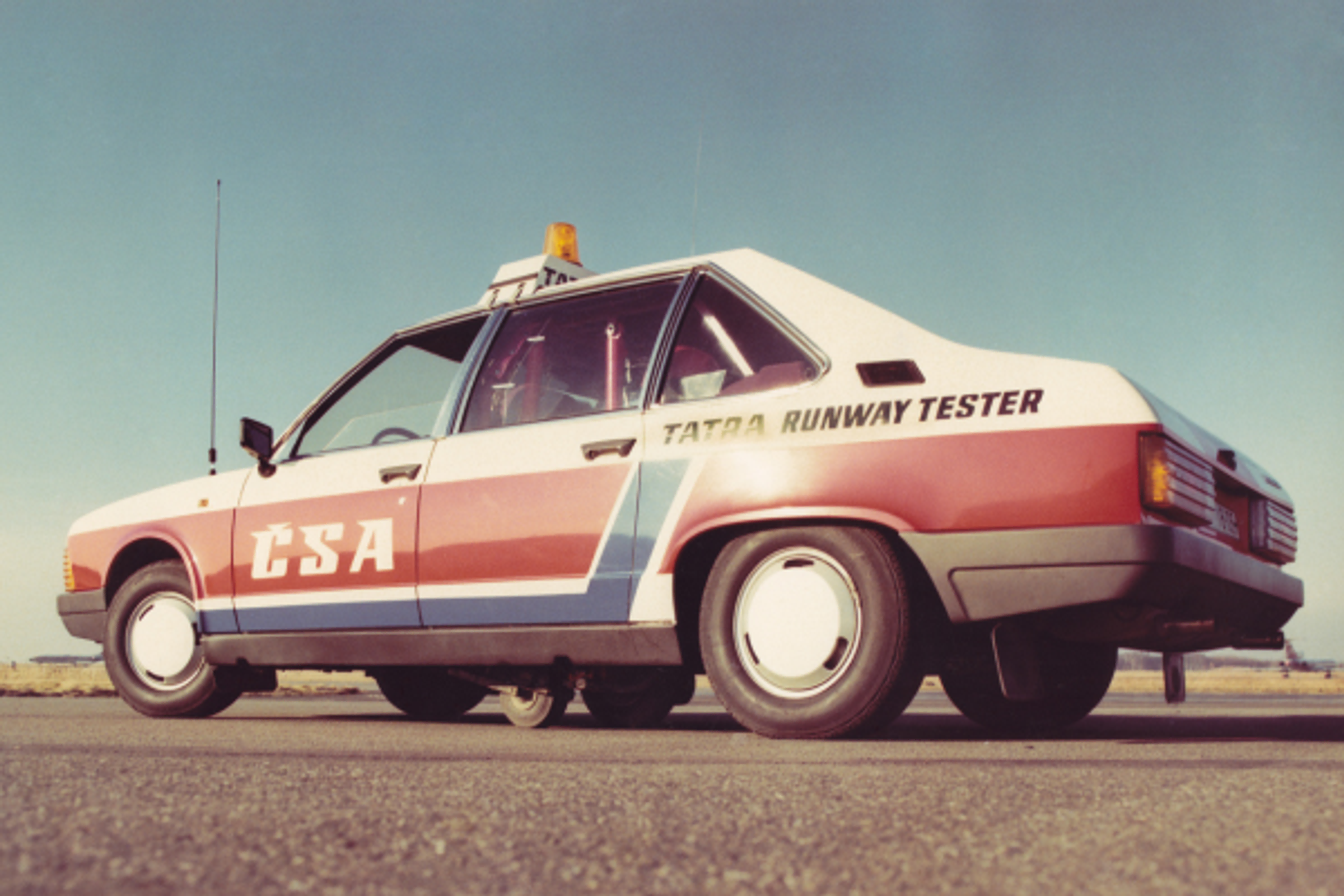
TATRA RUNWAY TESTER device for measuring road surface roughness
1990–1995
On December 31, 1992, the Transport Research Center (CDV) was established as a state-funded organization based in Brno. From that moment on, we began writing our own history with a clear vision: to build an objective, commercially independent, and systematically functioning research organization providing expert support to the Ministry of Transport and other state administration bodies and entities in all areas of transport in the Czech Republic.
Josef Mikulík, CSc., who initiated its establishment, was appointed director of the CDV.
During this period, we expanded our cooperation with key departments of the Ministry of Transport, established contacts with leading research institutes in Europe, and joined international research associations. We participated in international research projects (the EU's 4th Framework Program and the COST program). In addition, we developed and implemented a set of principles for the installation of traffic signs and devices, which are still in use today.
We have worked in the following research areas: land transport, civil aviation, measurement technology, road safety, transport policy and economics, road and urban transport, navigation, and waterways.
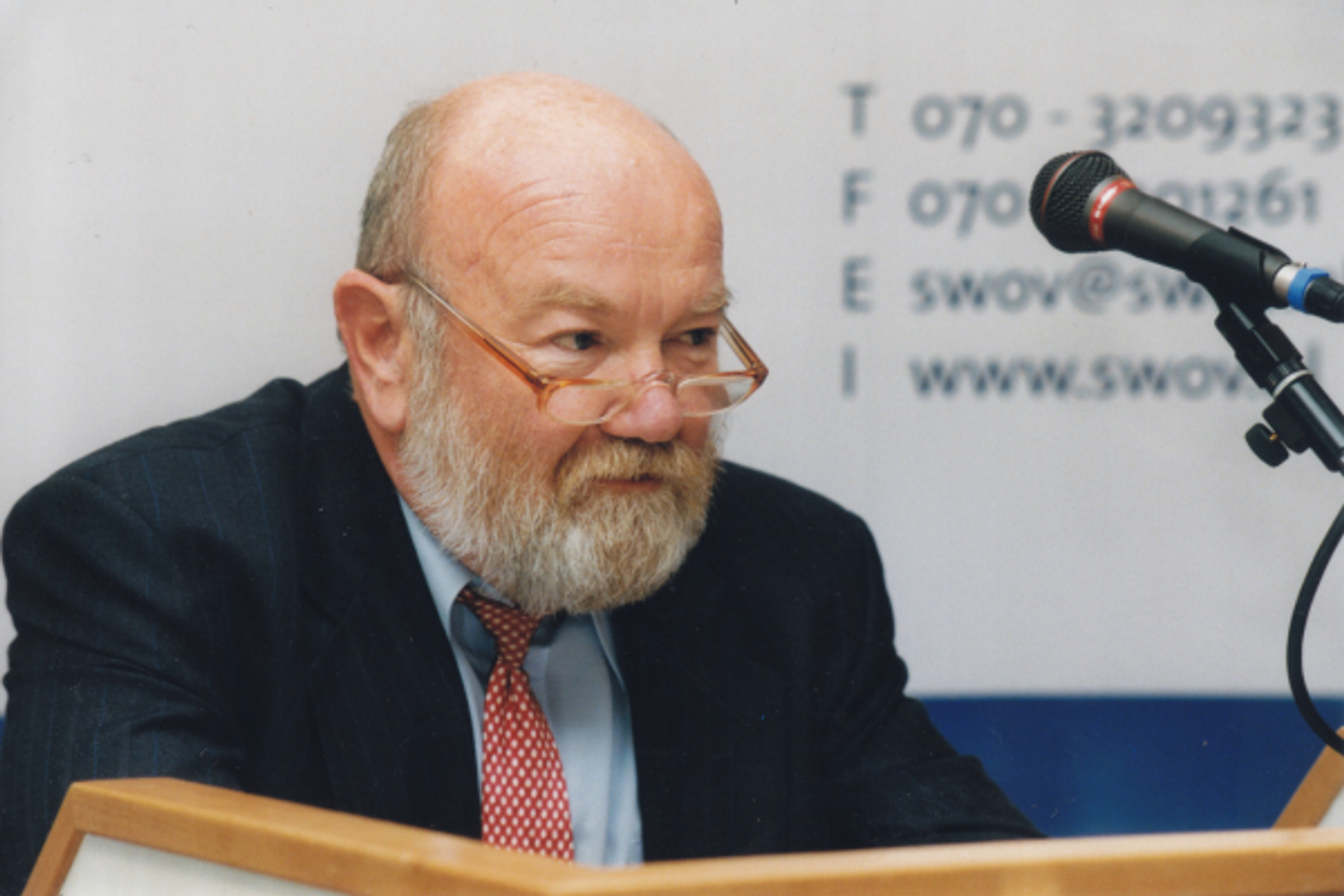
Josef Mikulík

Mathijs Koornstra, Director of SWOV Netherlands, and Josef Mikulík signing the memorandum of cooperation
1995–2000
On July 1, 1996, the Transport Research Center (CDV) became the only scientific and research organization under the jurisdiction of the Ministry of Transport and at the same time took over selected activities from the Transport Development Center of the Czech Republic and the Transport Center in Brno.
We moved the CDV headquarters to Vinohrady 10.
Our main tasks included: comprehensive solutions for transport ecology, transport planning and modeling, social and human problems in transport, transport telematics, transport legislation, economics and marketing, road, combined, and integrated transport.
We launched an annual assessment of economic losses from traffic accidents and a study on the development of transport from an environmental perspective in the Czech Republic. We prepared the first proposal for the introduction of a safety audit.
We have joined other international associations and international cooperation projects, particularly in the EU Framework Programs. We have already participated in 22 projects in the 5th Framework Program.
In June 1999, we completed the construction of a new building in Brno on Líšeňská Street.
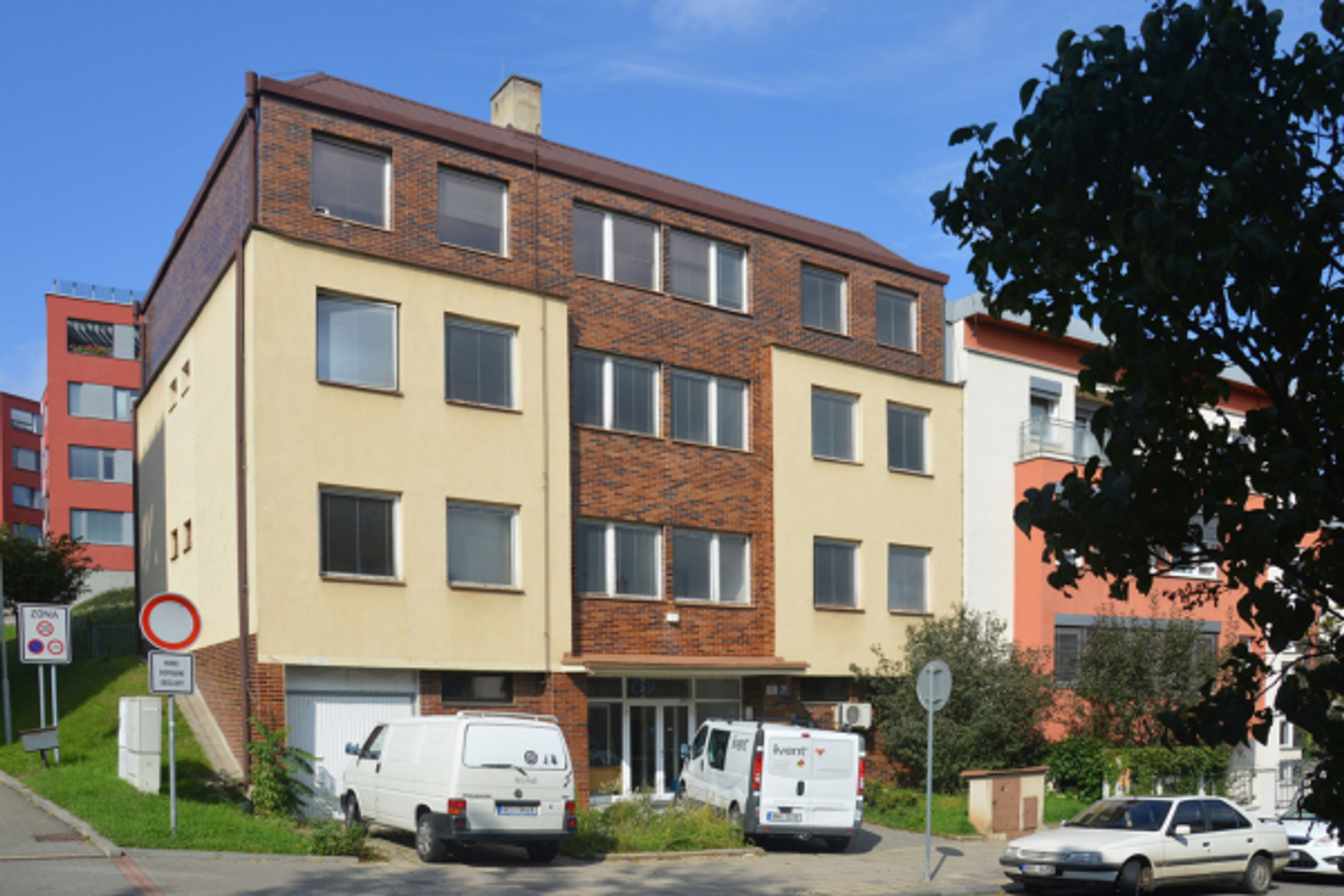
The CDV building on Vinohrady Street in Brno
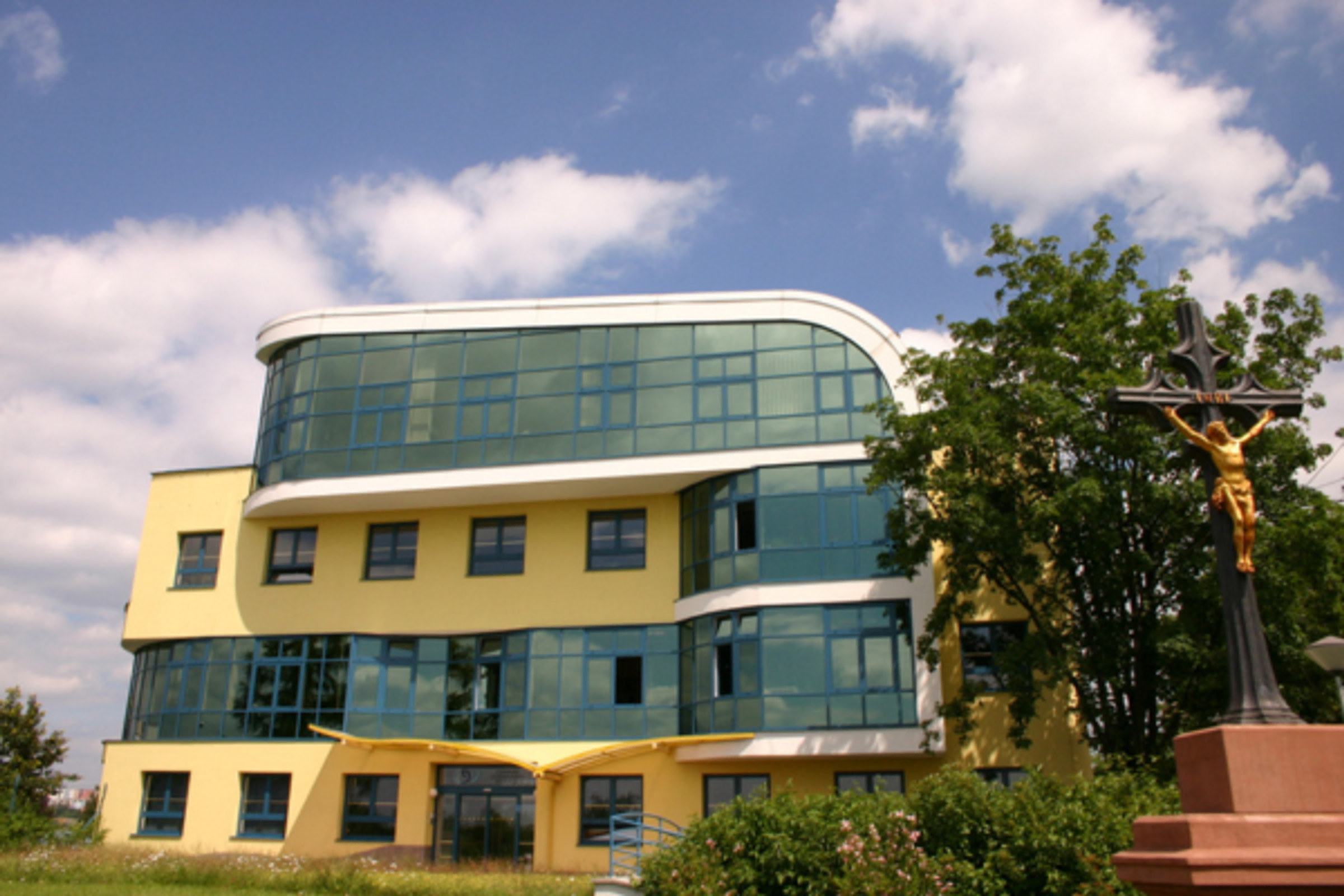
The CDV building on Líšeňská Street in Brno
2000–2005
In 2001, we introduced a quality system in accordance with ČSN EN ISO 9001:1995 standards and established a branch office in Olomouc focused on cycling and pedestrian transport.
We launched the Transport Infrastructure Laboratories and a new geotechnical testing field in Tišnov.
Other significant activities during this period included the creation of the National Road Safety Strategy, the development of transport forecasts and transport work distribution, the creation of a Unified Transport Vector Map, technical conditions and principles for creating a safe road infrastructure, and a road management system. We also focused on addressing the issue of cement concrete pavements and ensuring transport services.
In the field of education, we focused on traffic education.
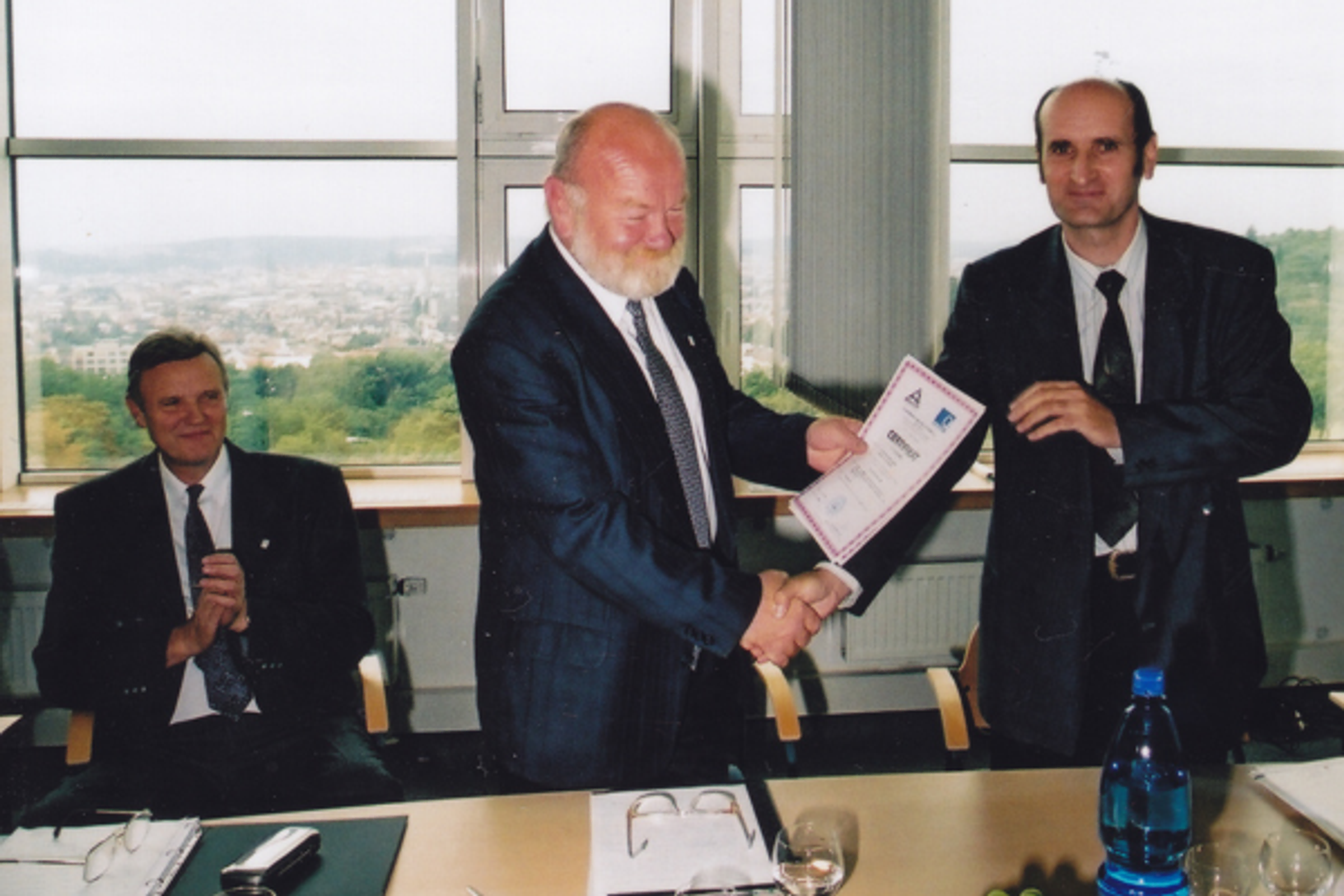
Certificate presentation by Qualiform
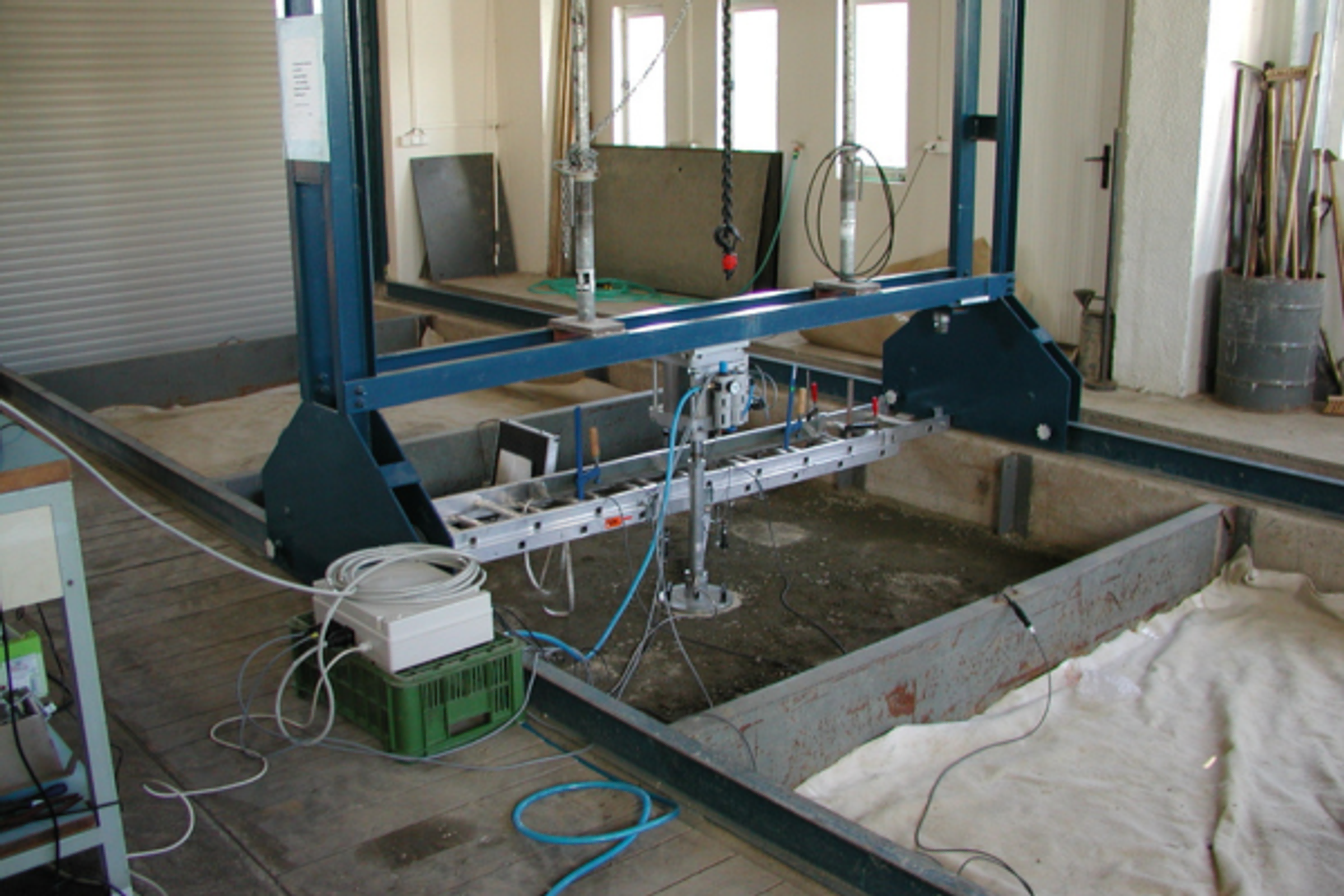
Laboratory geotechnical test field in Tišnov
2006–2010
On June 1, 2006, we transformed the legal form of CDV into a public research institution. On July 1, 2007, doc. Ing. Karel Pospíšil, Ph.D., MBA, was appointed director.
During this period, we introduced a divisional organizational structure for the institute and had the transport infrastructure and environment laboratories accredited (2007).
The Road Safety Observatory was established. We introduced the evaluation of the effectiveness of safety measures. We evaluated the implementation of the National Road Safety Strategy for the first time and further developed traffic education for children.
Other important tasks included the application of new information technologies in transport, the assessment of the impact of transport on the environment, and the National Strategy for the Development of Cycling. We focused on the issue of driving under the influence of addictive substances and created eTests (in connection with the amendment to Act No. 361/2000 Coll.). We successfully conducted a nationwide traffic census (2010).
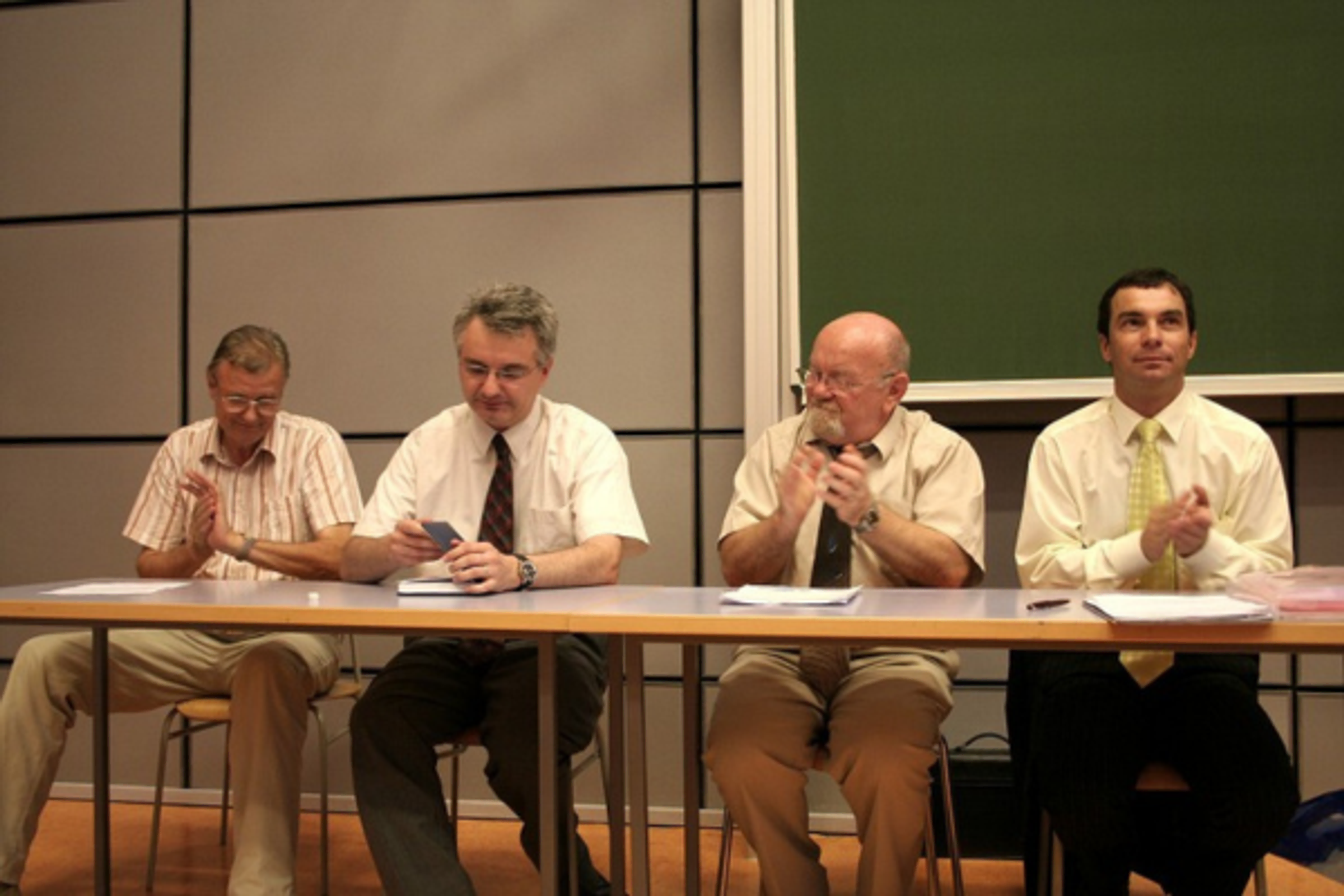
Handover of the institute's management, Karel Pospíšil (center), Josef Mikulík (right)
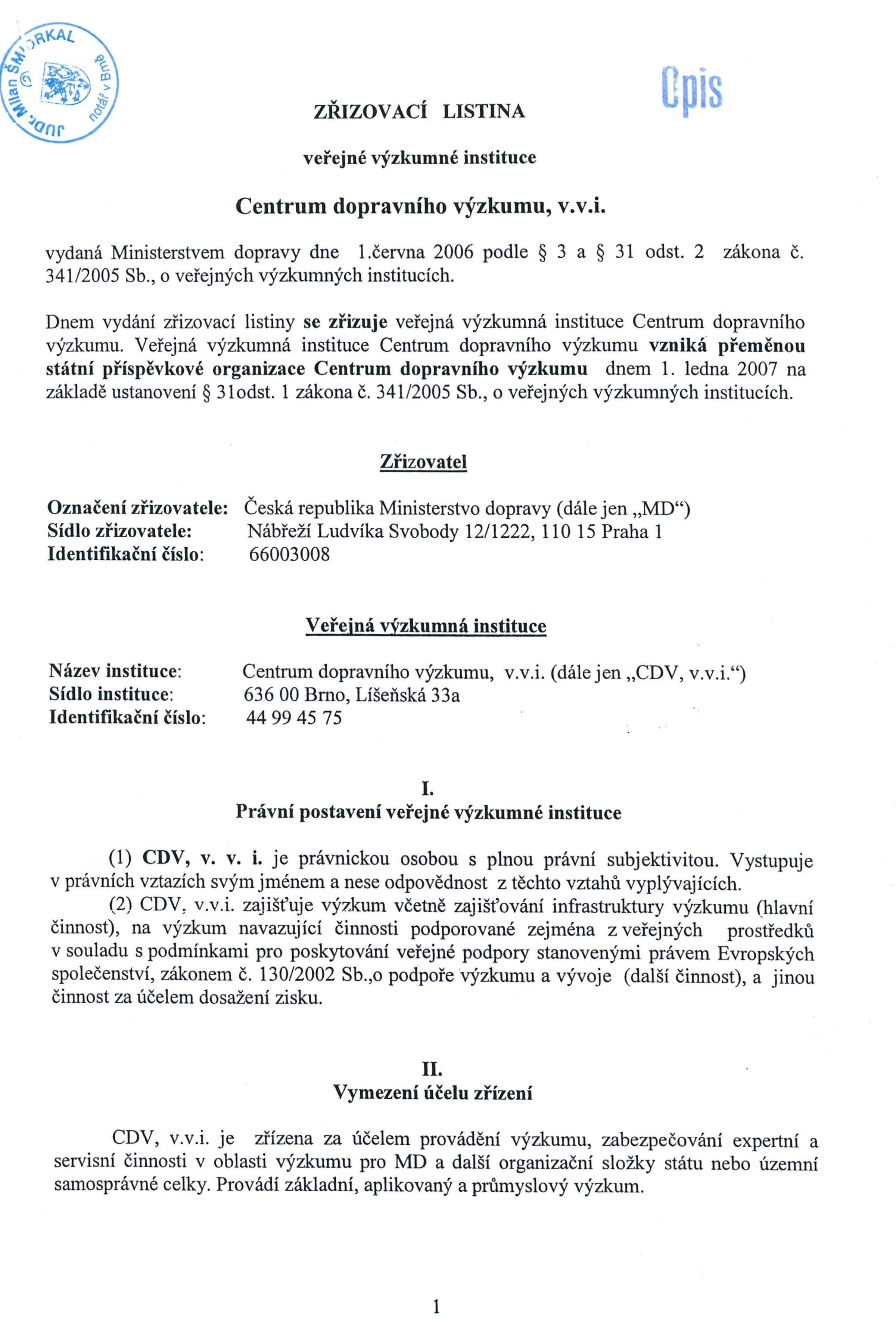
Charter
2011–2015
The Transport R&D Center with modern research facilities and laboratories was built.
Simultaneously with the construction, we implemented five research programs within the Center: In-depth Analysis of Traffic Accidents, Human Synergy in Transport, Road Safety, Transport Infrastructure, Transport and the Environment.
In 2014, we were listed among expert institutes. We obtained authorization to prepare expert opinions in transport, transport construction, and related fields. In the same year, we received the European Road Safety Award. We have successfully developed in the areas of telematics, transport behavior, modeling, and transport psychology. Our experts prepared the Road Safety Strategy for the Zlín Region.
The real challenge for us during this period was the creation of a territorial transport master plan for the capital city of Bratislava.
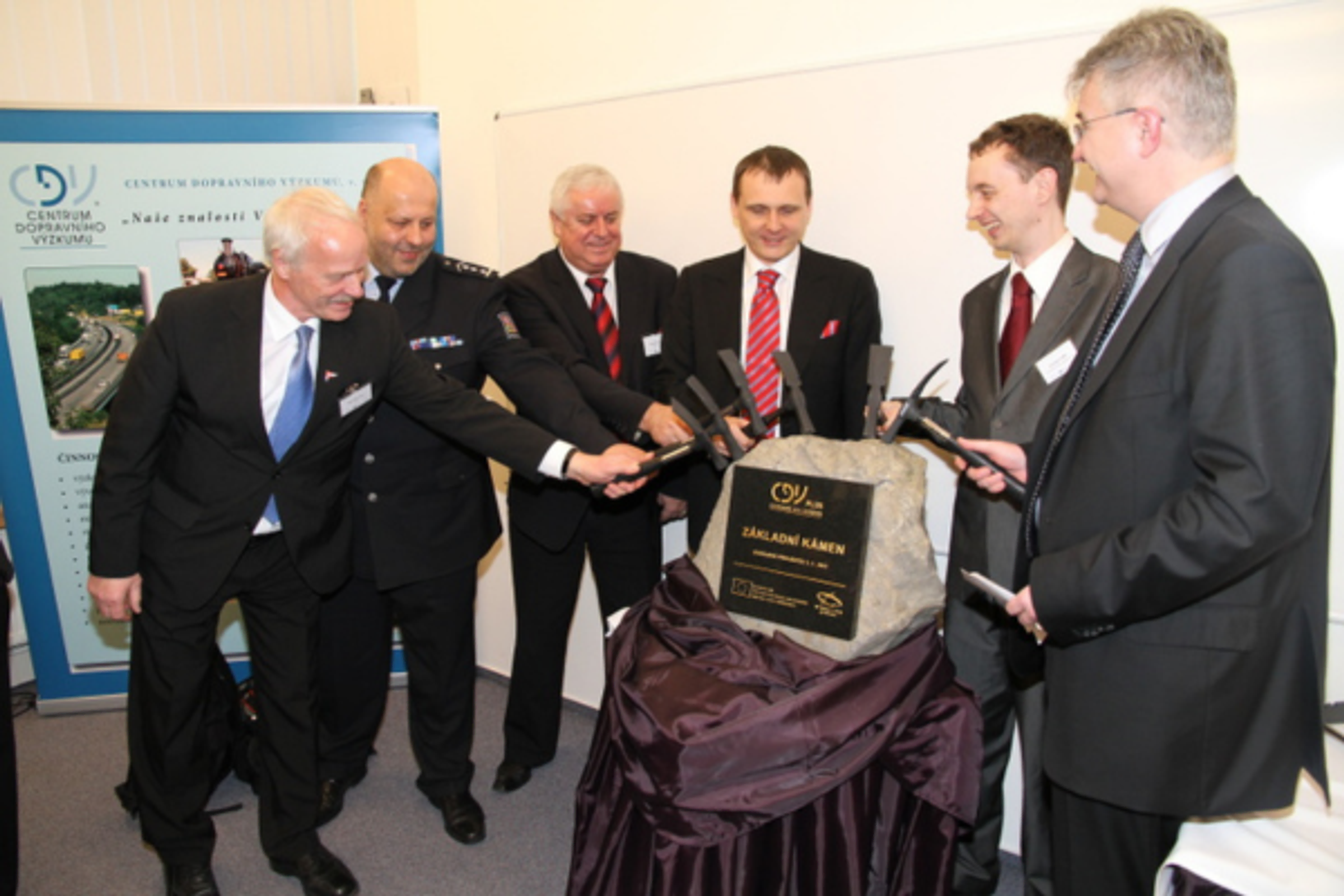
Laying of the foundation stone for the Transport R&D Center February 11, 2011
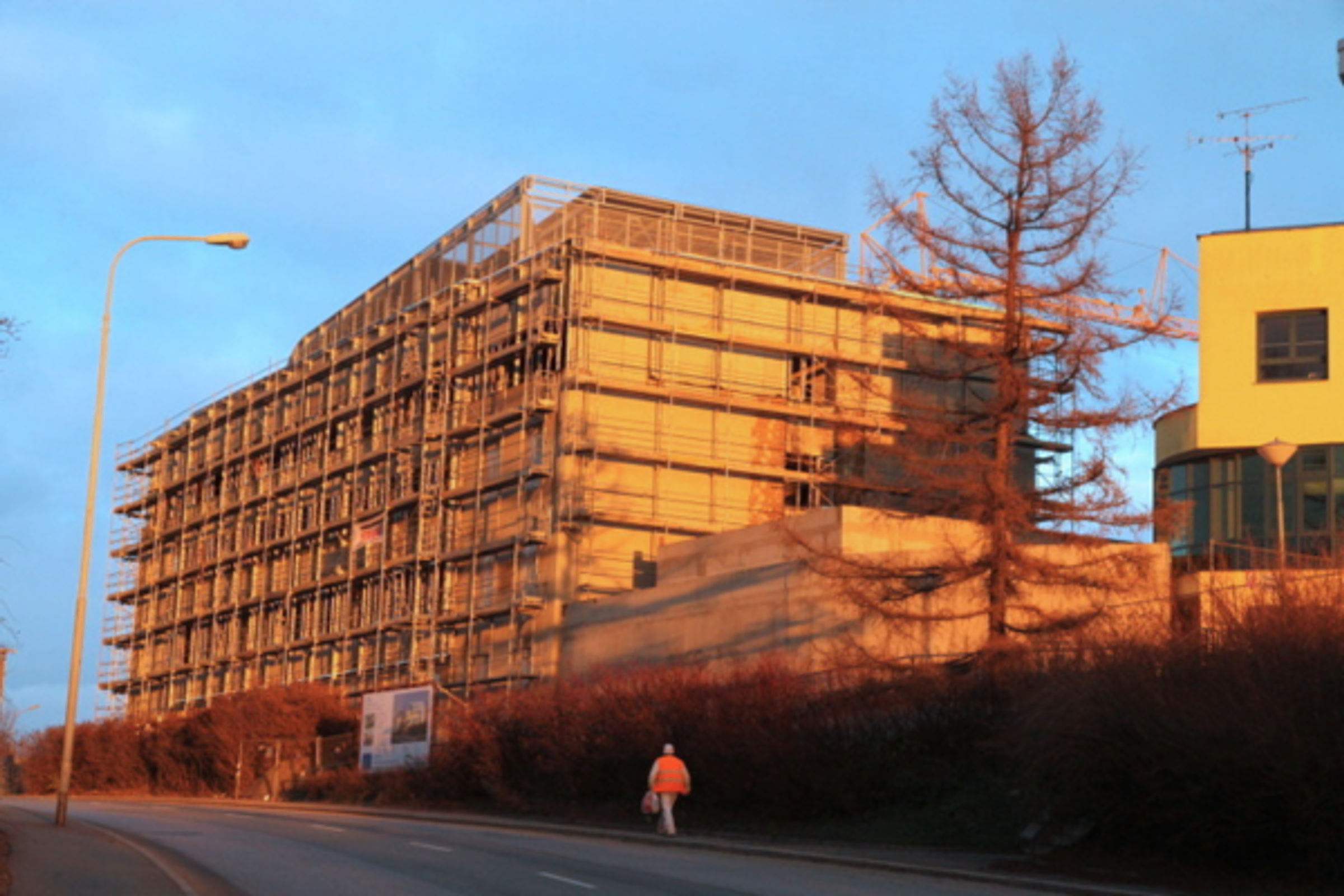
New building under construction
2016–2020
We were awarded a project under the National Sustainability Program to support research, experimental development, and innovation. On April 4, 2016, Jindřich Frič, Ph.D., was appointed director.
During this period, we trained employees of the Czech Prison Service and developed intelligent stationary transport systems. We created sustainable mobility plans for several cities.
In 2017, construction began on the CDV Technology Transfer Center (2017–2020), focused on the effective commercialization of research results. In 2018, the Autonomous Driving Division was established, which has been involved in the international SHOW (SHared automation Operating models for Worldwide adoption) project since 2020. In 2020, the National Traffic Census was launched.
Our other successful projects include: a catalog of test areas for autonomous vehicles, a nationwide survey of traffic behavior in Czechia, and the Alkálie project on measures to extend the service life of cement concrete road surfaces in connection with limiting the supply of alkalis from external sources.
On March 11, 2020, the WHO declared the spread of the COVID-19 coronavirus a pandemic.

Jindřich Frič was appointed director of the institution.
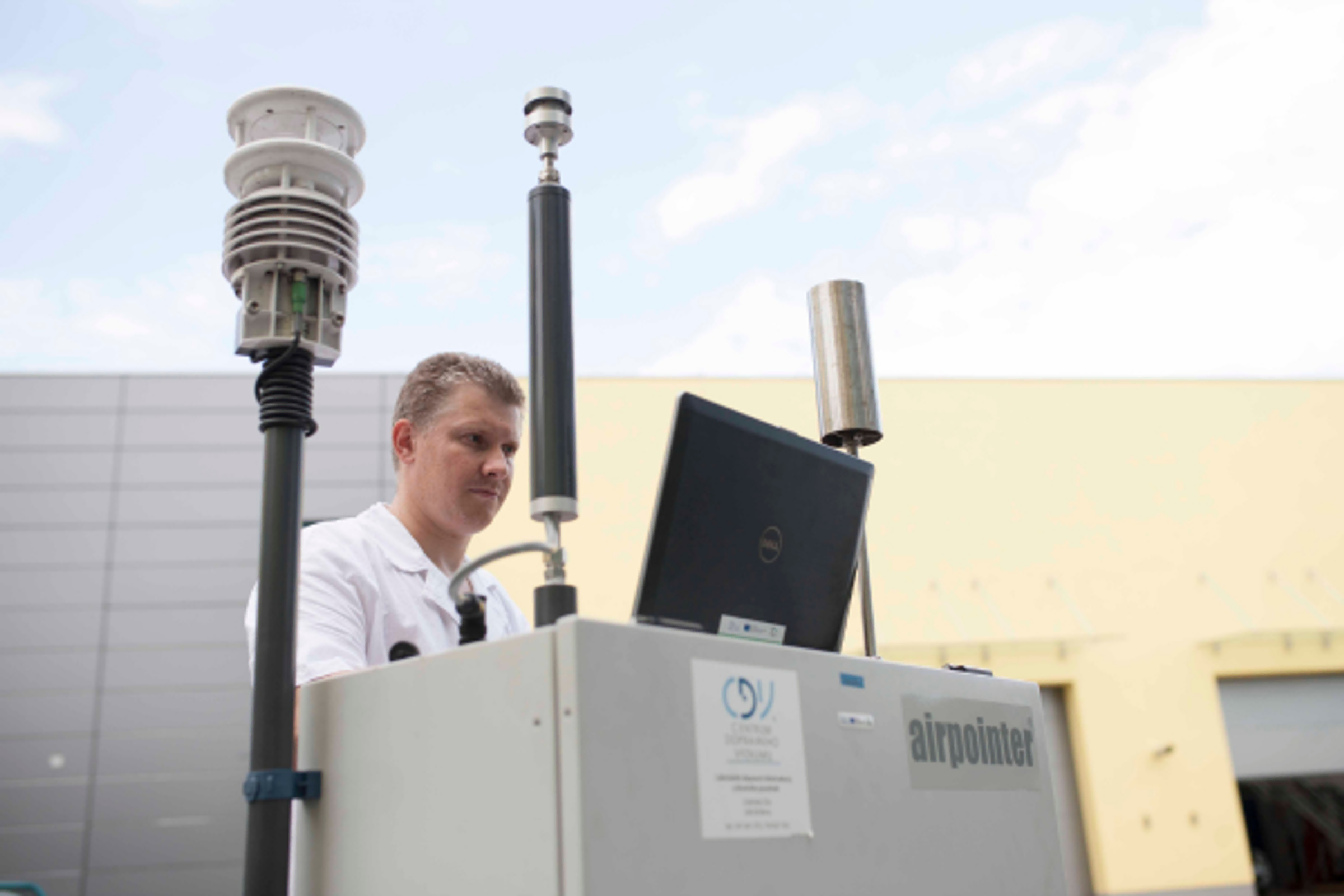
Air quality measurement with the Airpointer system
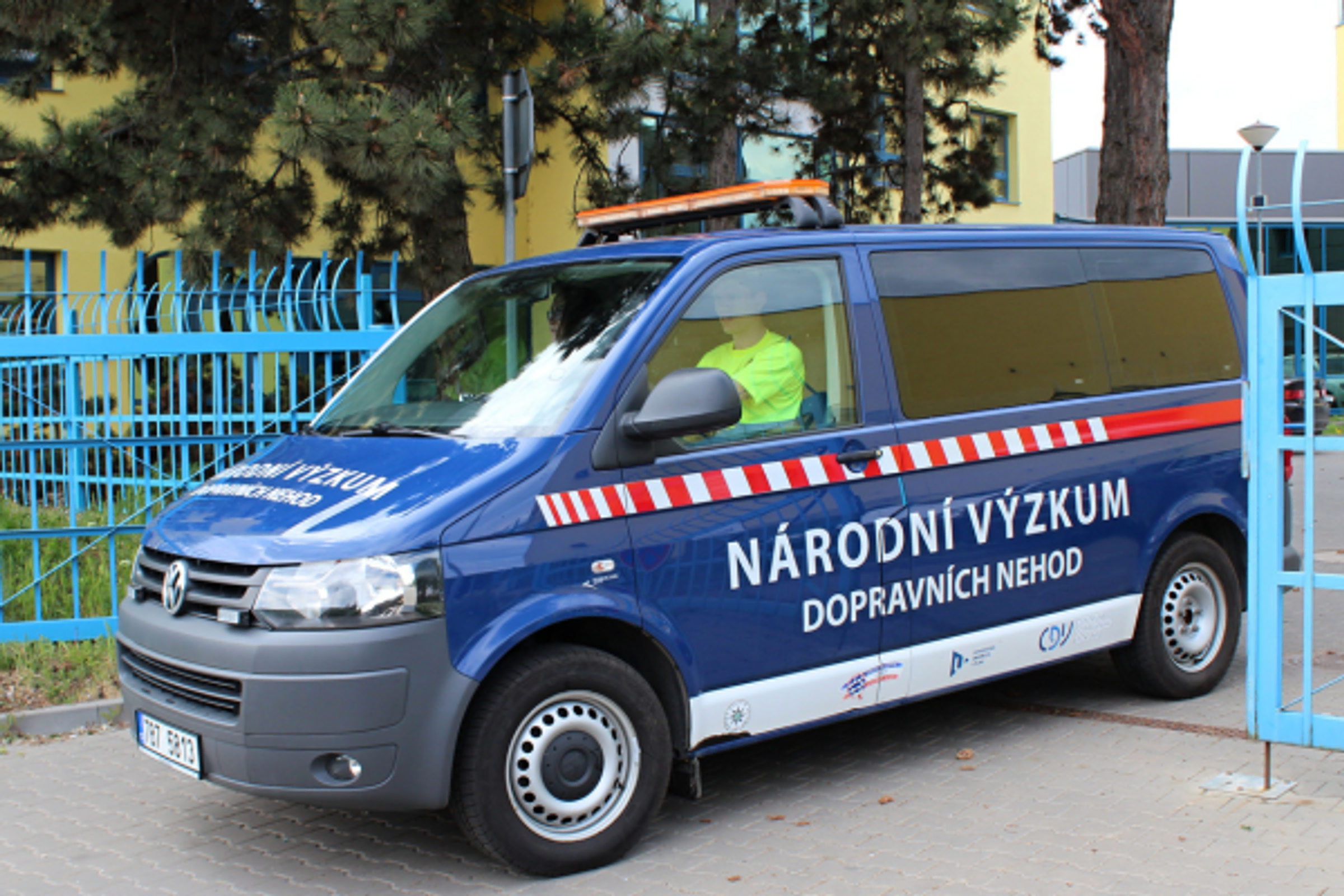
Vehicle for in-depth analysis of traffic accidents
2021–2025
The beginning of this period was marked by the ongoing COVID-19 coronavirus pandemic. Employees and managers had to get used to working from home. On February 1, 2021, Ing. Jindřich Frič, Ph.D., was reappointed as director. On September 6, 2021, we received the HR Excellence in Research award, which is a mark of quality in human resources management in the research and academic sphere.
During this phase, we continued to develop automation in transport and also focused on other technologies. In January 2021, the Hydrogen Technologies Division was established, focusing on the use of hydrogen in transport. A year later, its staff founded the National Hydrogen Mobility Center (NAHYC-m). At the beginning of 2022, the Methodological Center – Therapy and Counseling in Transportation began its activities, focusing on the rehabilitation of problematic drivers. Among the significant projects in the field of the environment was Detailed Monitoring of PAU in the Air (Norwegian Funds 2021–2024).
In 2022, a two-year renovation of the main building in Brno was completed. We used the roofs of the buildings to install solar panels.
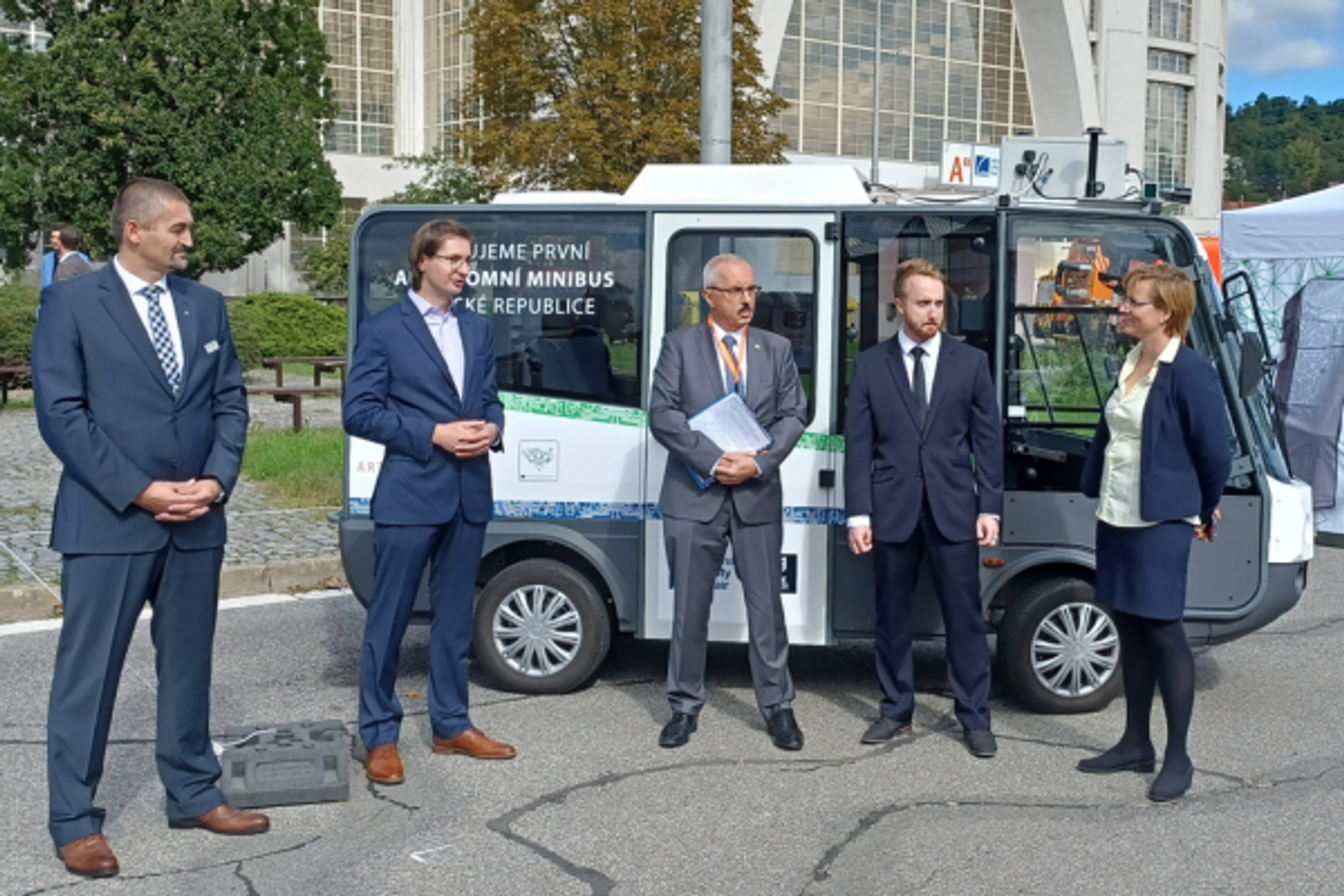
The autonomous minibus was also praised by representatives of the European Commission at the URBIS trade fair.
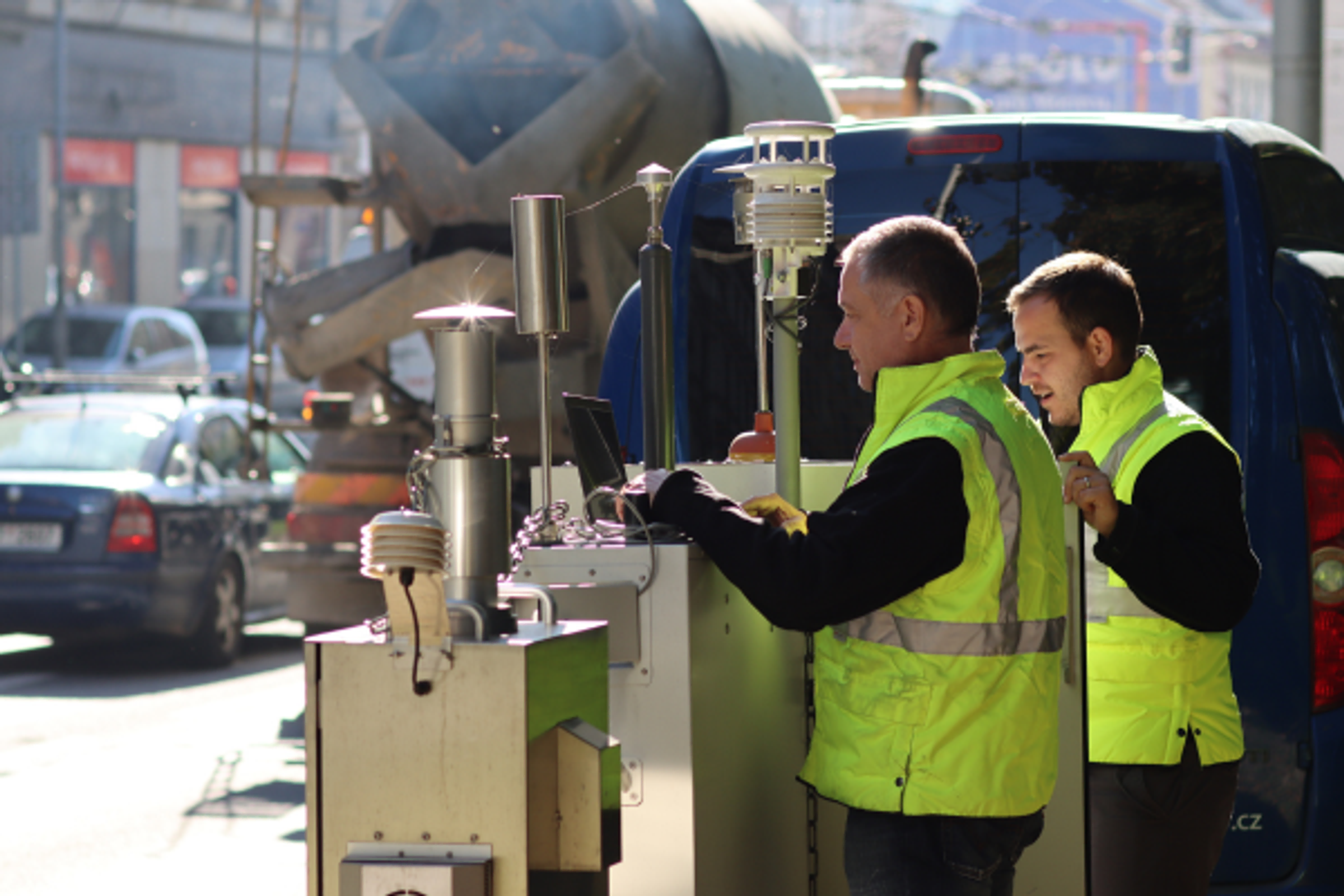
Monitoring of polycyclic aromatic hydrocarbons in the air (2021–2024)
We use cookies for traffic analysis and marketing purposes. Information about how you use our website is also provided to third parties who provide us with analytical and marketing tools, with your consent. Third parties may combine this information with personal data they have obtained from you and may subsequently transfer it outside the EU.
Choose your cookie preferences. Information on how we process cookies can be found in the Cookie Policy.
Cookies of this type are mandatory and cannot be disabled. They are necessary for the proper functioning of the website.
Through these cookies, we can analyze and evaluate the behavior of website visitors. This allows us to improve and tailor our website to your needs.