

-2400w.webp)
Through research, we are building a functional transportation system that benefits society as a whole.
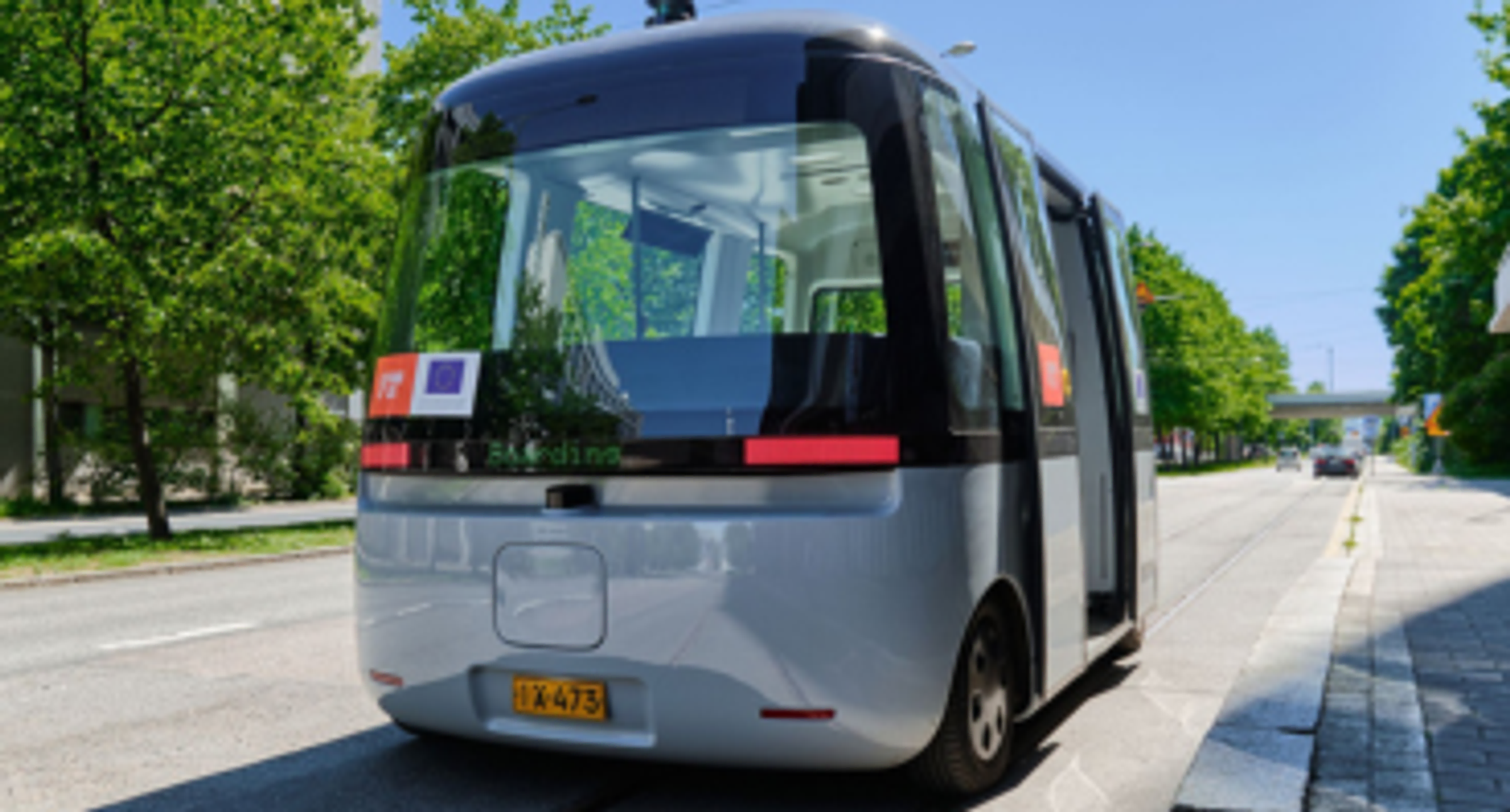
The future of autonomous transport needs your voice! The European Diversify-CCAM project is investigating the inclusivity and accessibility of these technologies. Complete the anonymous questionnaire by 14 August 2026, support the creation of a key guide, and help shape more accessible mobility across Europe.
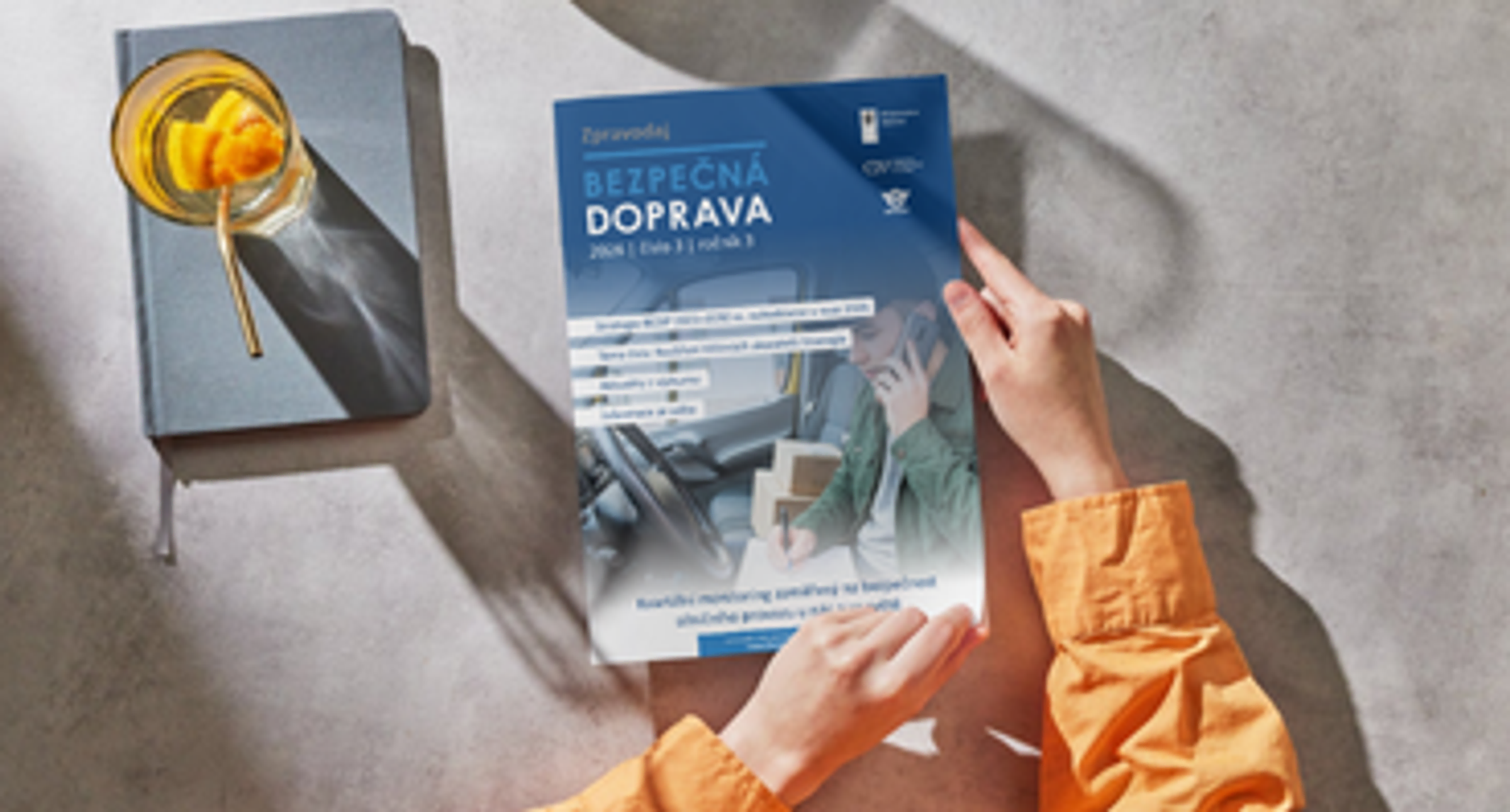
Issue 3 of the *Bezpečná doprava* newsletter (2026) has been published. It features an overview of accident figures for the first half of the year, an assessment of the BESIP Strategy, new KPIs, CDV research and the latest international trends in road safety.
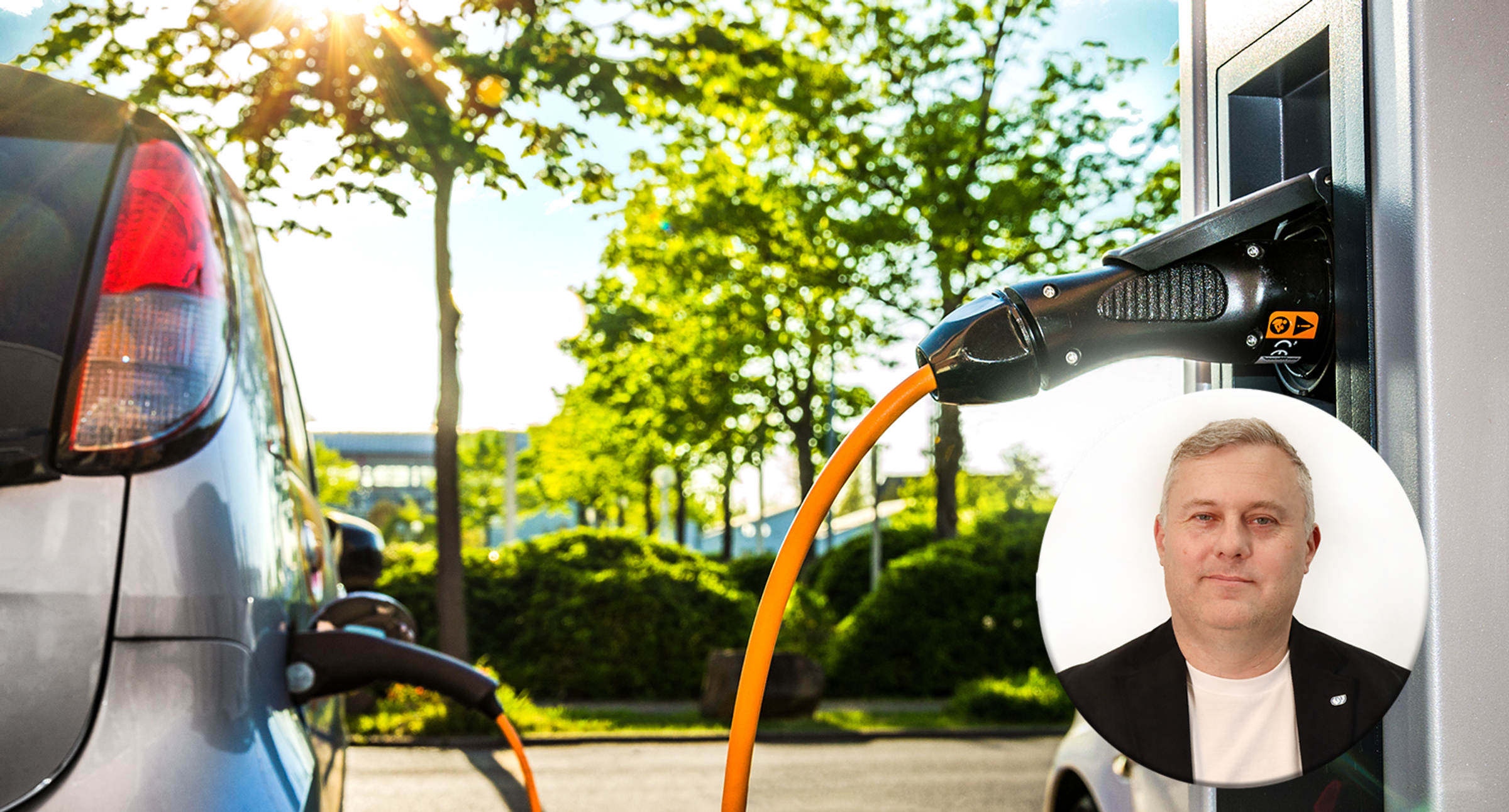
The growing interest in electric cars in the Czech Republic is being driven by more affordable prices, a wider range of models and the development of the charging infrastructure. According to Pavel Havránek from the Transport Research Centre, replacing entrenched myths with objective data is key to further development.
-2400w.webp)
A new report by New Zealand Transport Agency draws on research from the Transport Research Centre (CDV), showing how Czech expertise supports safer transport infrastructure and biodiversity protection through evidence-based solutions.
-2400w.webp)
A new study shows that winter air pollution caused by residential heating can be as high as—or even higher—in rural communities than in cities, posing significant health risks.
-2400w.webp)
Long holiday journeys begin before you even leave home. In the Hospodářské noviny podcast, Pavel Řezáč explains why proper preparation and rest are essential for safe driving.

Accredited laboratories for transport infrastructure, the environment, traffic signage, and more.
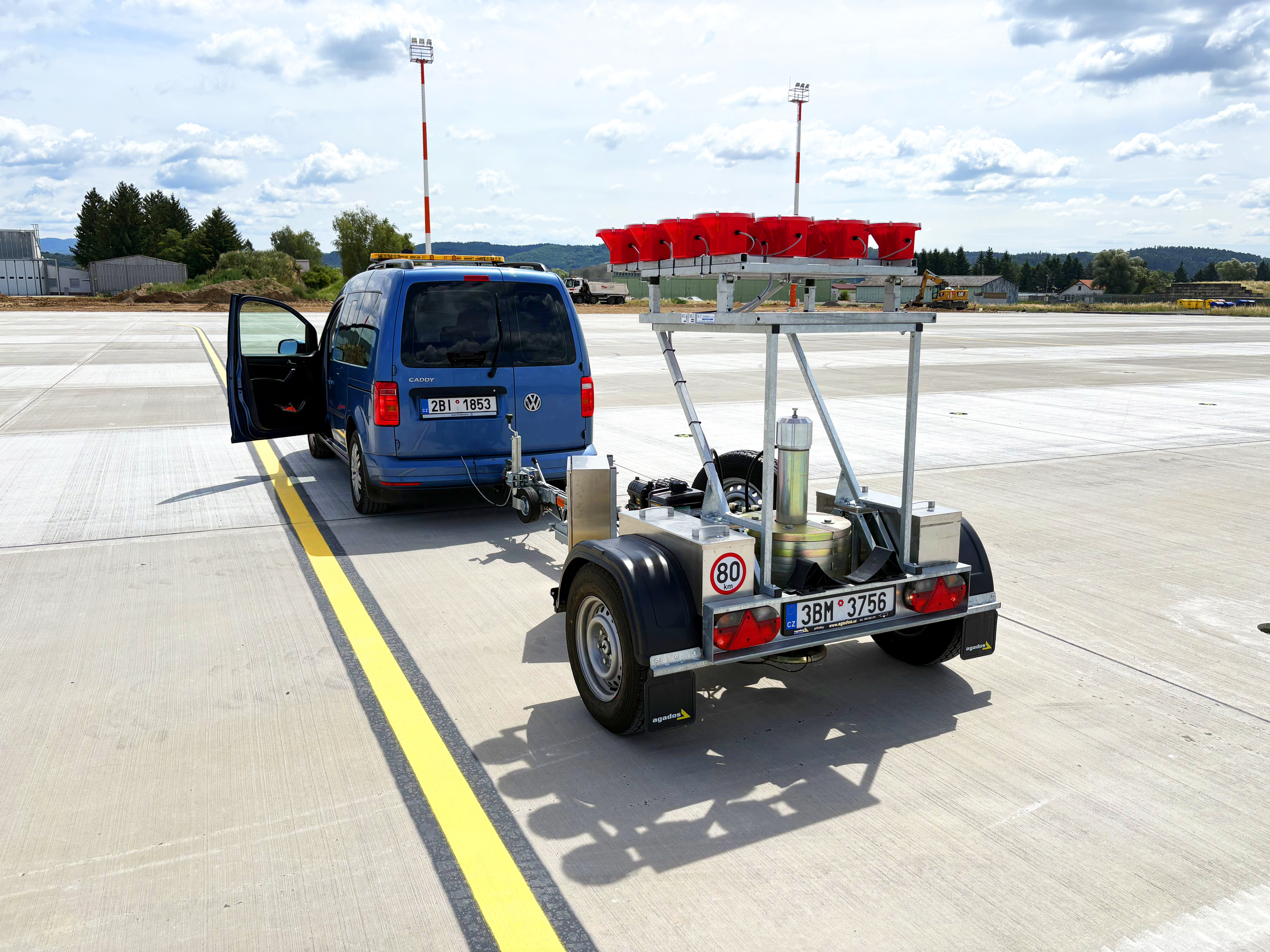
We conduct comprehensive research and development in transportation in the natural and social sciences, engineering, and technology.
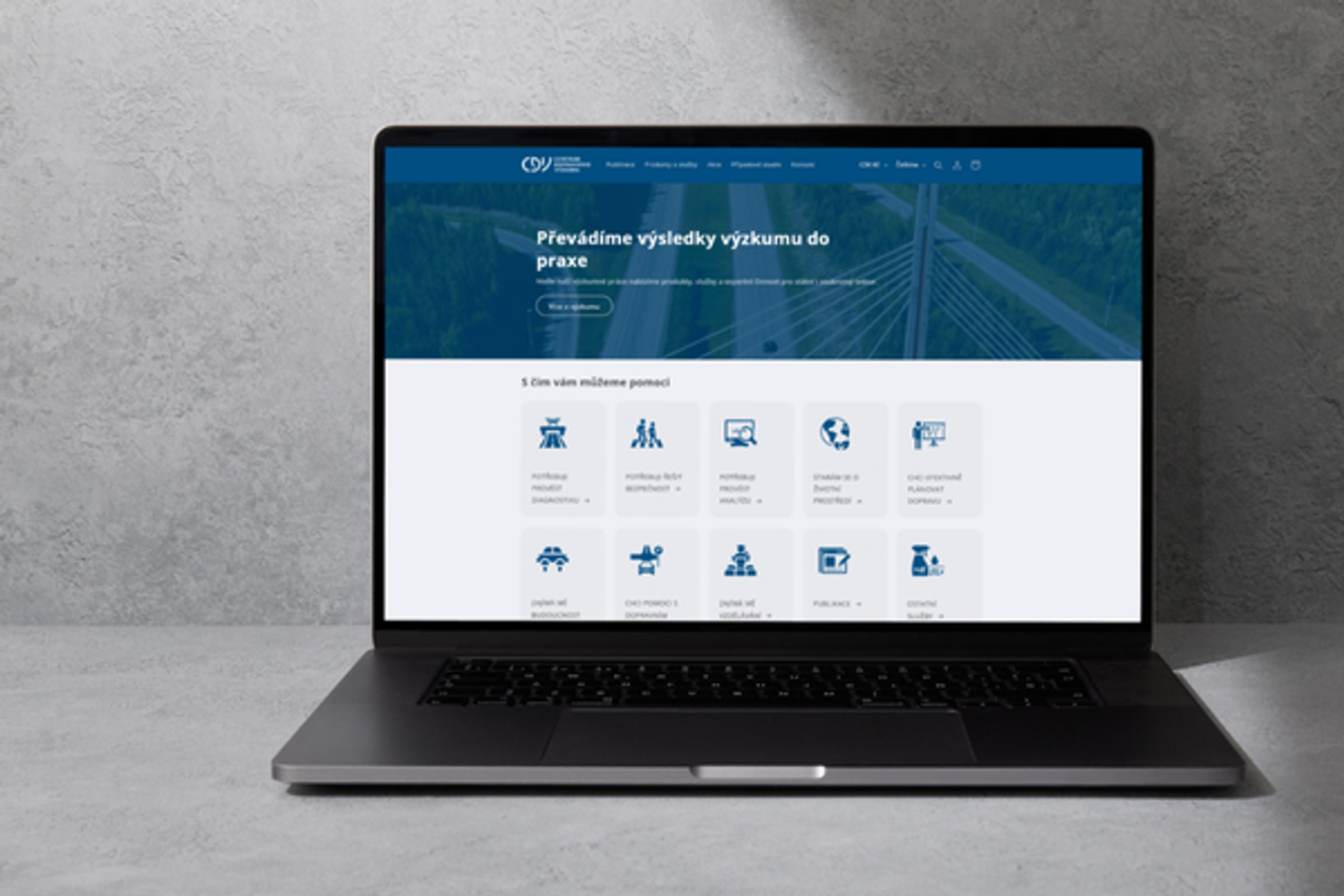
A range of services, available methodologies, books, and products in one place.

We are a modern, interdisciplinary research institute based in Brno. We focus on all aspects of transport – from road safety and support for clean mobility to the design of strategies for future development. We work with the government, regions, cities, universities, and European partners.
-2400w.webp)
The European Commission has awarded us a quality mark for human resources management in research and academia.
.png)
.png)
.png)
.png)
.png)
.png)
We use cookies for traffic analysis and marketing purposes. Information about how you use our website is also provided to third parties who provide us with analytical and marketing tools, with your consent. Third parties may combine this information with personal data they have obtained from you and may subsequently transfer it outside the EU.
Choose your cookie preferences. Information on how we process cookies can be found in the Cookie Policy.
Cookies of this type are mandatory and cannot be disabled. They are necessary for the proper functioning of the website.
Through these cookies, we can analyze and evaluate the behavior of website visitors. This allows us to improve and tailor our website to your needs.