

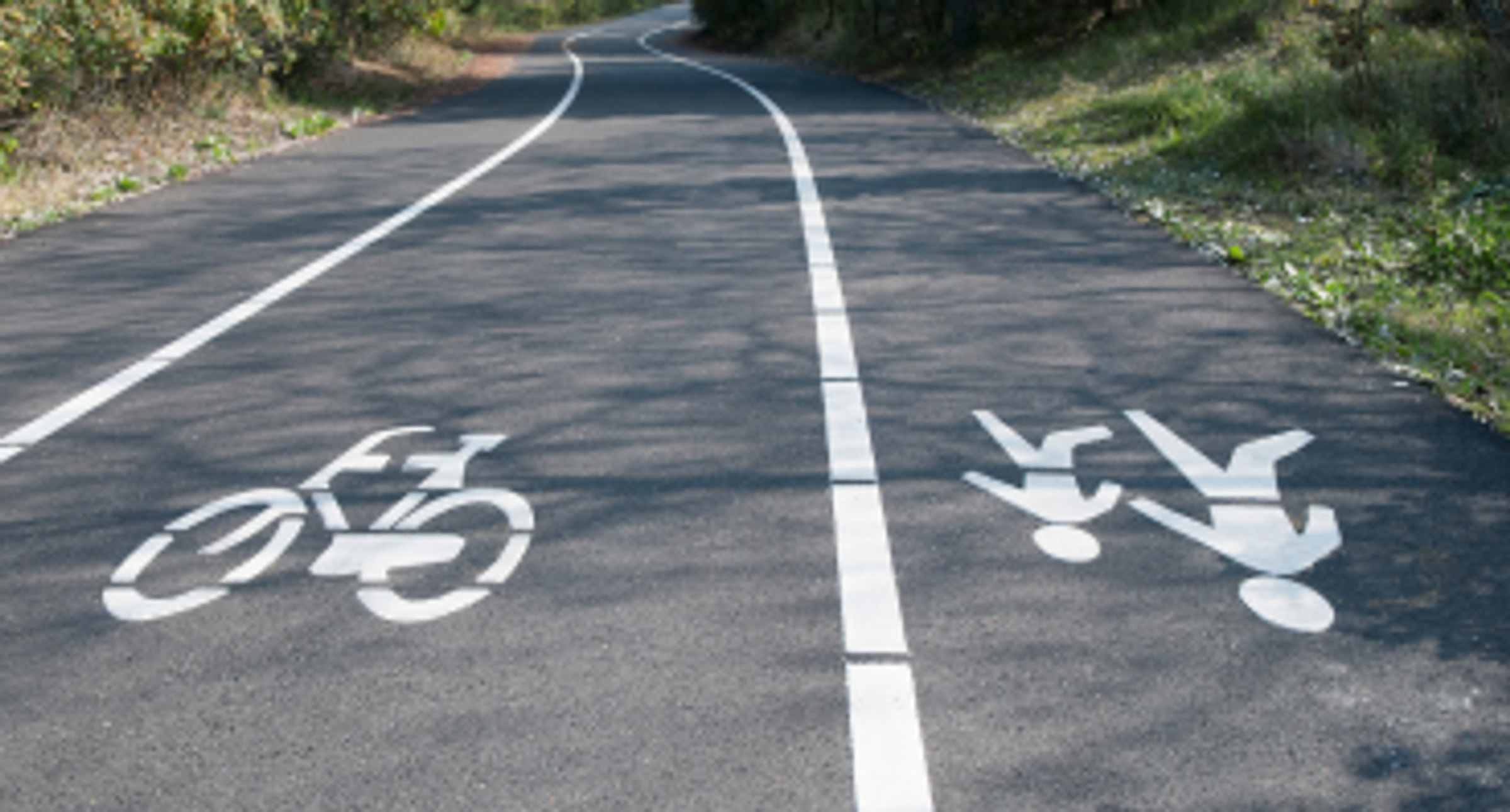
The study examines conflicts between pedestrians, cyclists and micromobility users on shared-use paths. Results highlight the role of path width, traffic volume and user composition in improving safety.
The study compares the environmental impacts of hydrogen-based synthetic methane, diesel and petrol. Results highlight the dominant role of electricity supply and water electrolysis in the overall environmental burden.
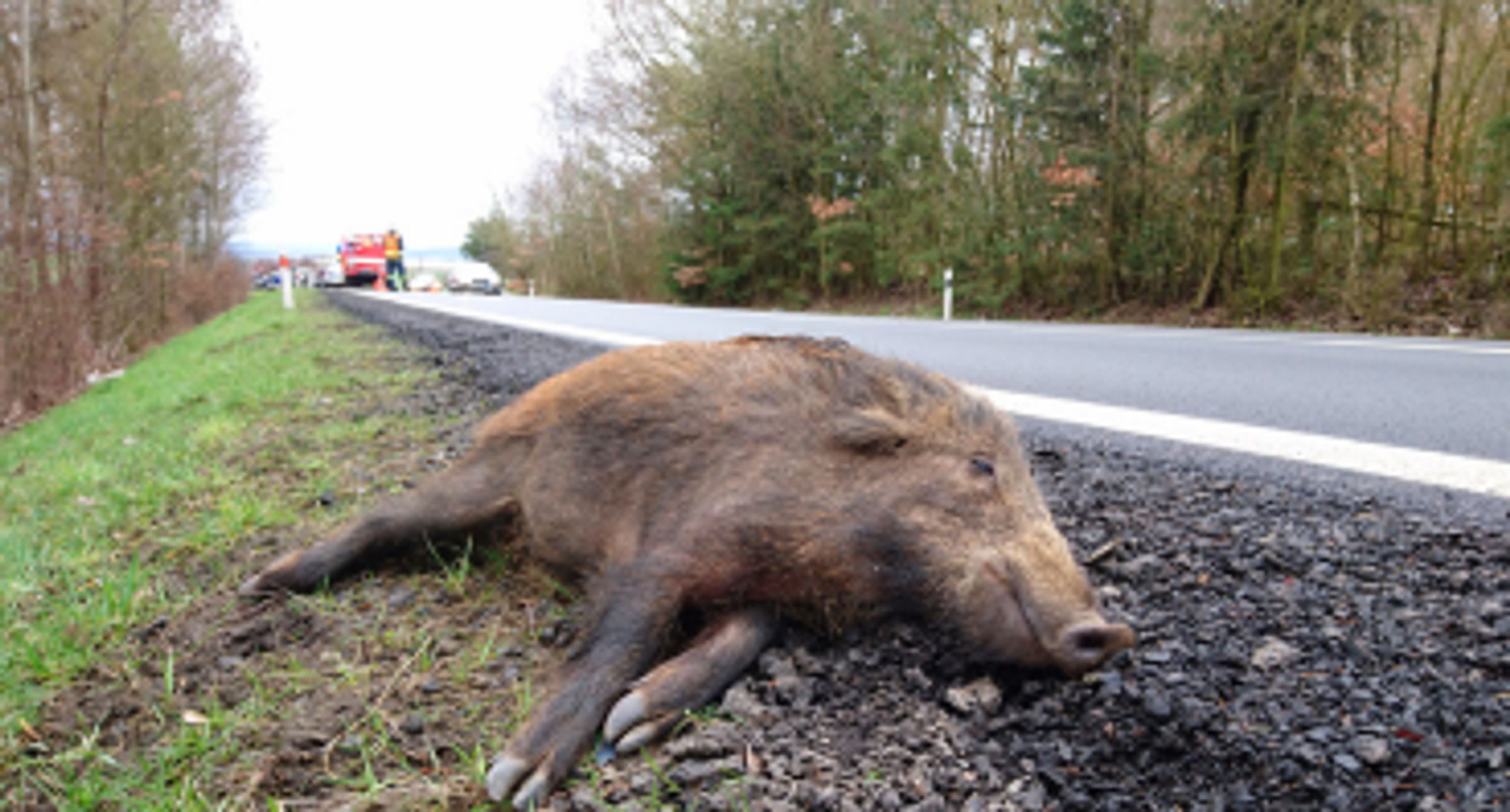
The study assesses the effect of fencing along the Czech D10 motorway on wildlife-vehicle collisions and examines whether collisions are displaced to nearby unfenced roads.
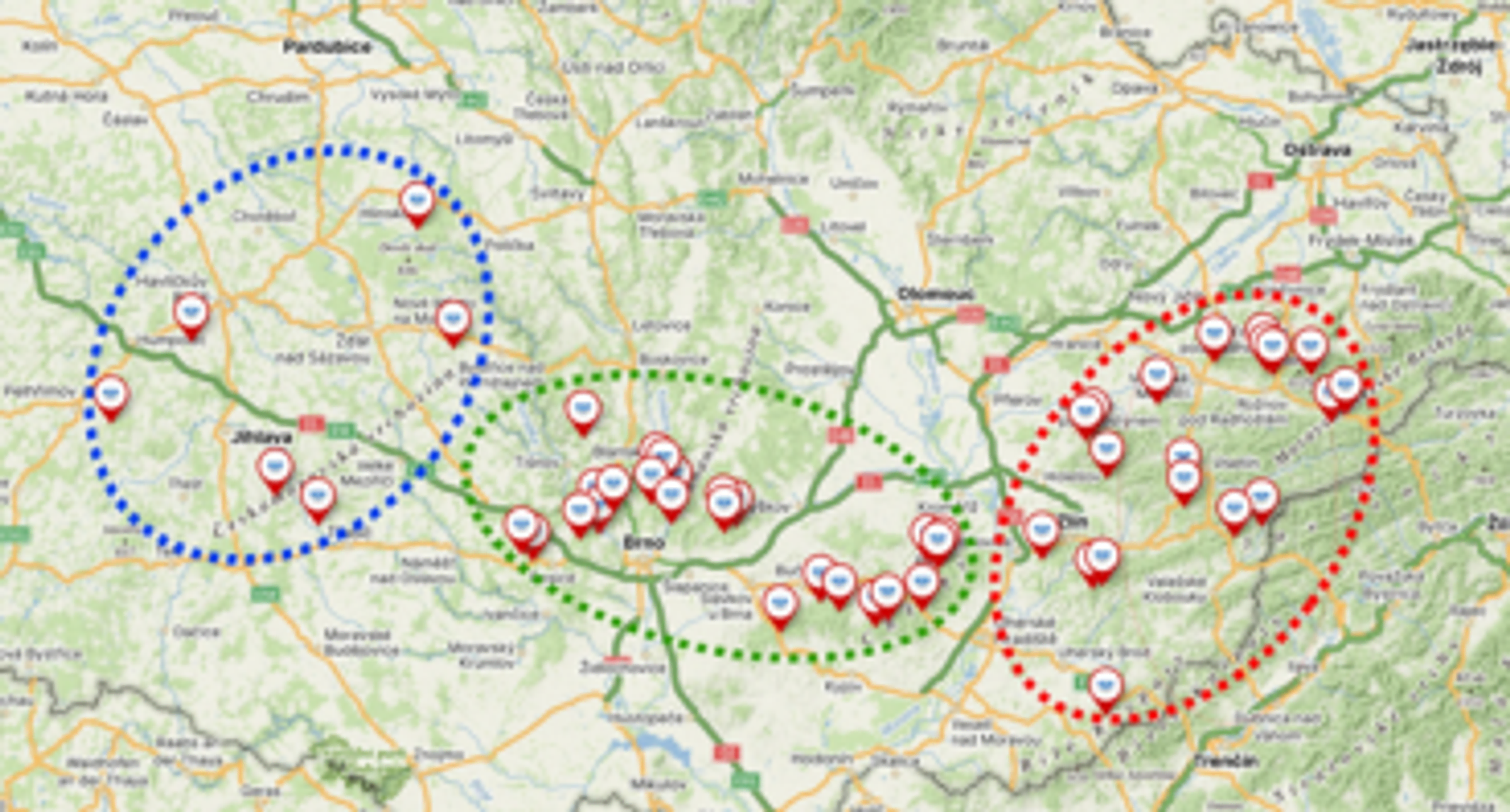
The study assesses water quality in 50 forest springs across three Czech regions and examines their potential as an alternative source of drinking water.
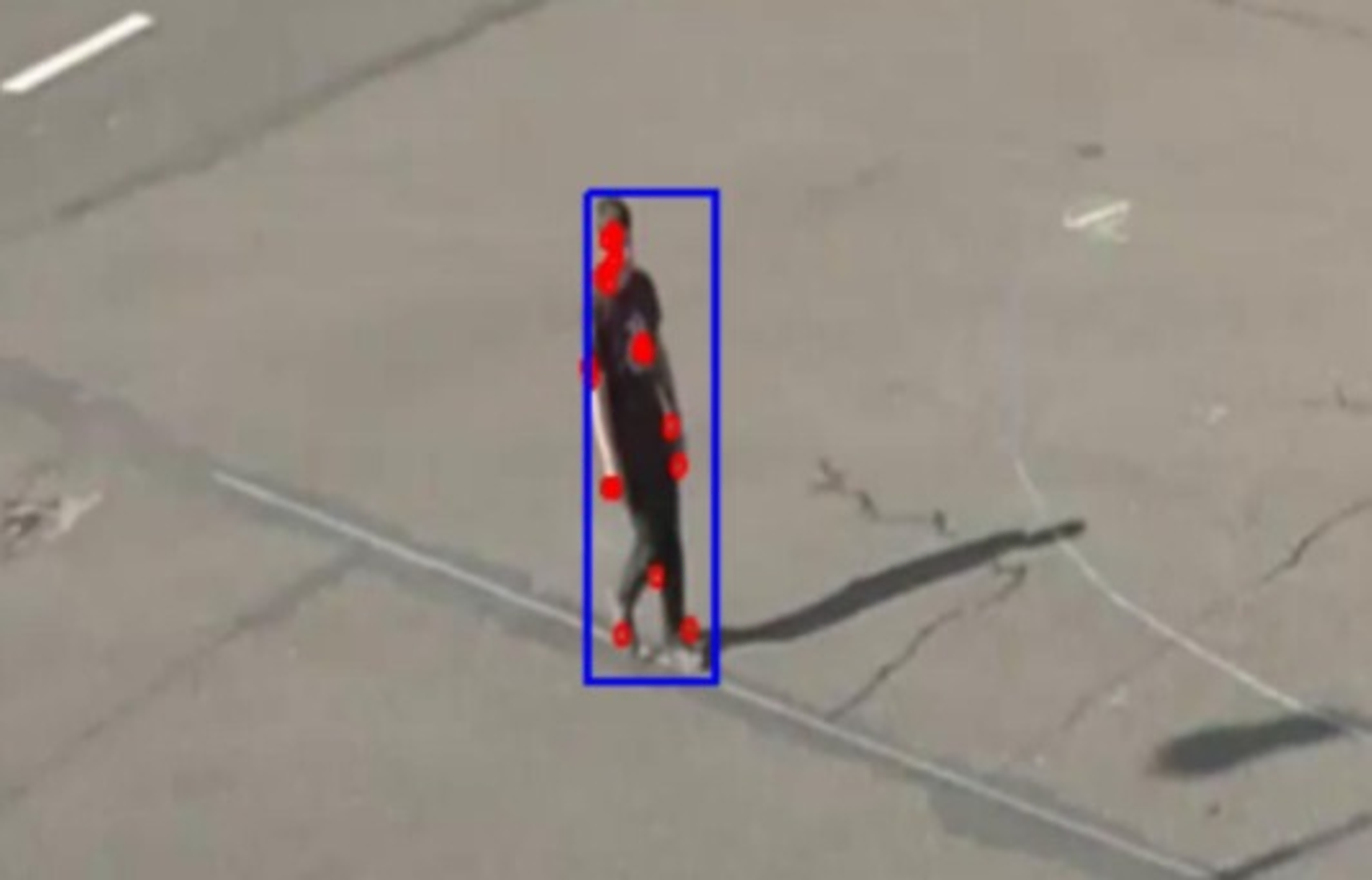
A novel method for estimating vulnerable road users’ trajectories from video recordings enables more accurate traffic conflict assessment and risk classification using Post-Encroachment Time.
-2400w.webp)
A study evaluated two combined wildlife deterrents designed to reduce animal-vehicle collisions. Their installation did not have a statistically significant effect on wildlife mortality.
-2400w.webp)
A new study compares approaches to railway emission modelling in the Czech Republic and proposes a hybrid method for more accurate national and regional CO₂ and NOₓ inventories.
-2400w.webp)
A new study shows that winter air pollution caused by residential heating can be as high as—or even higher—in rural communities than in cities, posing significant health risks.
-2400w.webp)
A CDV study revealed that non-exhaust traffic emissions are a significant source of chromium in Brno’s air. The research also described seasonal changes in the occurrence of health-relevant chromium species in particulate matter.
We use cookies for traffic analysis and marketing purposes. Information about how you use our website is also provided to third parties who provide us with analytical and marketing tools, with your consent. Third parties may combine this information with personal data they have obtained from you and may subsequently transfer it outside the EU.
Choose your cookie preferences. Information on how we process cookies can be found in the Cookie Policy.
Cookies of this type are mandatory and cannot be disabled. They are necessary for the proper functioning of the website.
Through these cookies, we can analyze and evaluate the behavior of website visitors. This allows us to improve and tailor our website to your needs.